
Class A Motorhome Insurance
Protection that keeps you riding with confidence.
Class A Motorhome Insurance
Protection that keeps you riding with confidence.
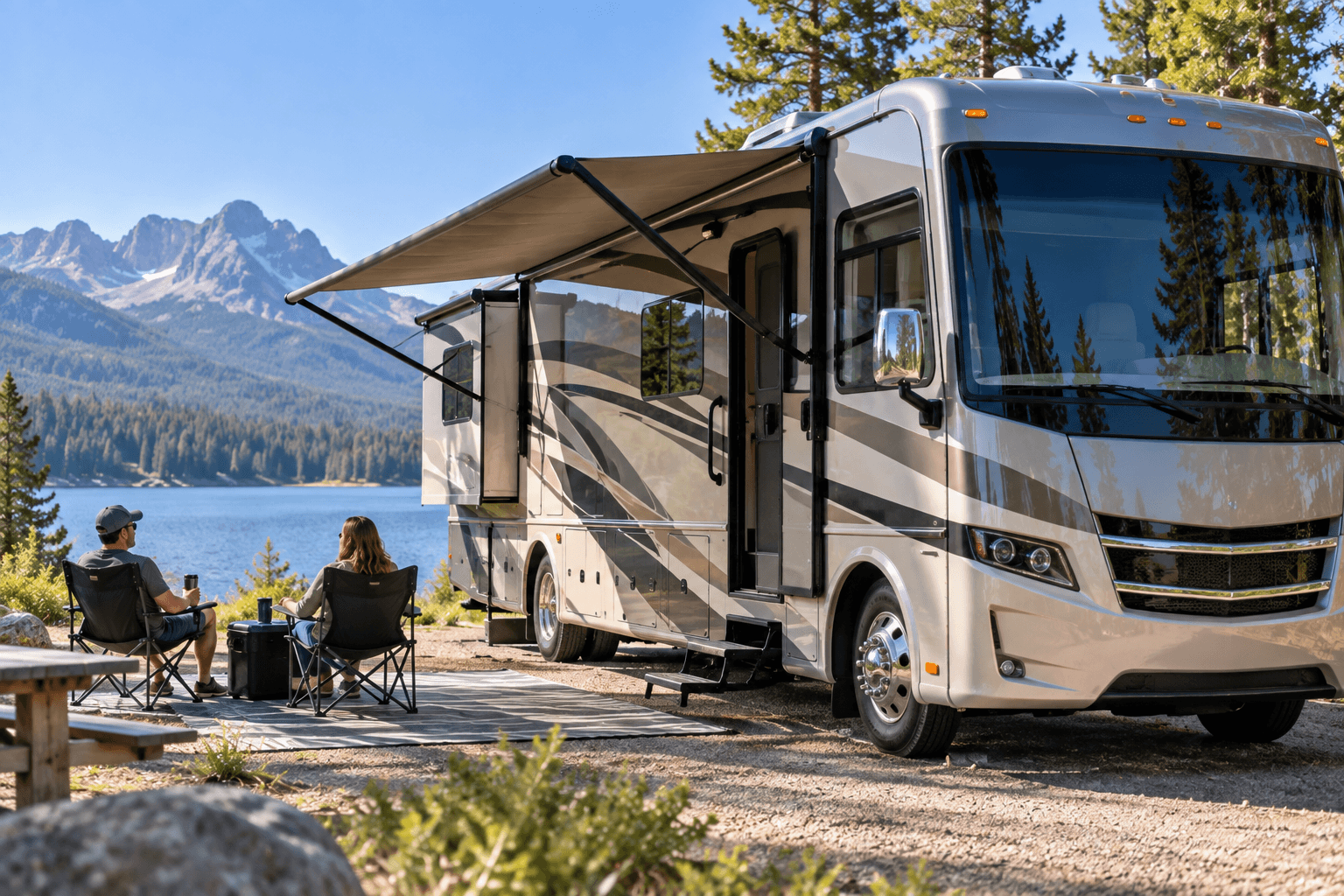
Leslie Kay’s Inc. Can Insure Your Class A Motorhome
We Can Insure Your Ride
Class A motorhomes are large, self-propelled coaches that may include residential-style kitchens, bathrooms, slide-outs, generators, electronics, and substantial personal property. Their size and value can make towing, glass, bodywork, and liability losses expensive. A policy designed around the actual vehicle or watercraft may help protect the owner from covered financial losses that an auto, homeowners, or basic recreational policy might not address.
Leslie Kay’s, Inc. can help owners in Florida compare class a motorhome insurance options from multiple insurance companies. The goal is to match how the unit is owned, operated, equipped, transported, and stored with an insurer whose rules and policy form fit those facts.
Contact Us
Speak to a specialized insurance
professional 7 days a week
Why Specialized Class A Motorhome Insurance Matters
Motorhome ownership combines a vehicle exposure with many of the property and liability concerns associated with a temporary residence. A lender, marina, campground, association, or trail system might also require proof of coverage or minimum liability limits. Even when insurance is optional, repair, replacement, medical, legal, towing, and cleanup expenses can be substantial.
Owners should disclose chassis type, length, purchase price, custom interiors, solar systems, towing equipment, and whether a car is pulled behind the coach. Large windshields and specialized body panels may require repair options designed for motorhomes rather than passenger vehicles. No policy covers every loss, and coverage names that sound similar may work differently between companies. Eligibility can also change with value, age, modifications, operators, territory, and use.
Coverage Options to Consider
A suitable policy may combine several coverages. Availability, limits, deductibles, exclusions, and settlement methods vary, so each quote should be compared on more than price.
Liability Coverage
Liability coverage may respond when an insured is legally responsible for bodily injury or property damage arising from operation or use of the motorhome. Limits should be reviewed with the vehicle size, passenger use, travel patterns, and umbrella requirements in mind.
Collision and Comprehensive Coverage
Collision may help repair covered damage from an impact or rollover. Comprehensive may address covered non-collision losses such as theft, fire, falling objects, wind, hail, vandalism, or contact with an animal, subject to deductibles and policy terms.
Uninsured and Underinsured Motorist Coverage
This coverage may help when another driver causes an accident but has no insurance or insufficient limits. Availability and the exact protection provided vary by state and policy.
Roadside Assistance and Towing
A motorhome can require specialized towing and roadside equipment. Optional coverage may help with eligible towing, jump-starts, tire service, fuel delivery, or labor after a breakdown, but distance and reimbursement limits should be reviewed.
Personal Belongings and Attached Equipment
Motorhomes often carry electronics, camping equipment, clothing, tools, and permanently attached accessories. The policy should be reviewed for property limits, special sublimits, awnings, satellite equipment, solar components, and aftermarket upgrades.
Important Details to Review Before Choosing a Policy
Accurate information helps an insurer classify the risk and helps avoid surprises at claim time. For class a motorhome insurance, relevant details may include:
- Coach value and valuation method
- Diesel versus gasoline chassis
- Annual mileage
- Driver history
- Garaging ZIP code
- Full-time or seasonal use
- Tow-behind vehicle
- Custom equipment
- Deductible choices
It is also helpful to discuss seasonal storage, winterization, campsite use, towing a small vehicle, and long trips away from home. If the unit is financed, rented to others, used for paid work, occupied full time, modified for higher performance, or taken outside the ordinary coverage territory, that fact should be raised before the policy begins.
How Value and Deductibles Affect a Claim
Covered losses may be settled using cash value, stated value, agreed value, replacement cost, or another method. Actual cash value reflects depreciation; agreed value may establish the covered value in advance, subject to the contract; and replacement-cost protection may have age, ownership, or replacement requirements.
Deductibles should be weighed against both premium and the owner’s ability to absorb a loss. Separate deductibles may apply to different coverages, and special deductibles or restrictions could apply to wind, named storms, theft, glass, or other causes. Photographs, purchase records, serial numbers, appraisals, and receipts for upgrades can make valuation easier.
Licensed in Florida and Multiple States
Leslie Kay’s, Inc. is an independent insurance agency licensed to serve clients in the following states:
- Alabama
- Arizona
- Arkansas
- California
- Colorado
- Connecticut
- Florida
- Georgia
- Illinois
- Indiana
- Iowa
- Kentucky
- Louisiana
- Maine
- Maryland
- Massachusetts
- Michigan
- Mississippi
- Missouri
- Montana
- Nebraska
- Nevada
- New Hampshire
- New Jersey
- New Mexico
Insurance availability, policy forms, carrier options, and requirements may vary by state. Contact the agency to discuss the location where the vehicle or watercraft is primarily kept and used.
Compare Class A Motorhome Insurance Options in Florida
An independent insurance agency can approach multiple carriers and explain meaningful differences in policy structure. A lower premium may come with a more restrictive valuation method, smaller accessory allowance, limited towing, narrower territory, or exclusions that matter for the way the unit is used.
Contact Leslie Kay’s, Inc. at 561-736-5400 to discuss class a motorhome insurance in Florida. Coverage is subject to underwriting, policy terms, conditions, exclusions, limits, and deductibles. An application and a conversation with a licensed insurance professional are needed to determine what may be available for a particular risk.
Class A Motorhome Insurance FAQs
Does Class A insurance cover a car towed behind the motorhome?
The towed car generally needs its own auto policy. The motorhome policy may address certain liability or towing-equipment issues, but coverage should be coordinated before flat towing or using a dolly.
How are large Class A windshields handled after a loss?
Glass may be covered under comprehensive coverage, subject to the deductible and policy. Because one-piece windshields can be costly, glass terms and available deductible options are worth comparing.
Will a policy cover slide-outs, awnings, and leveling systems?
Permanently installed equipment may be included in physical damage coverage, but limits, exclusions, and loss causes vary. Aftermarket additions should be disclosed and documented.
Is diesel-pusher motorhome insurance different?
The basic coverage categories are similar, but value, repair networks, chassis, length, and specialized components can affect eligibility, premium, and claims handling.
Start A Quote