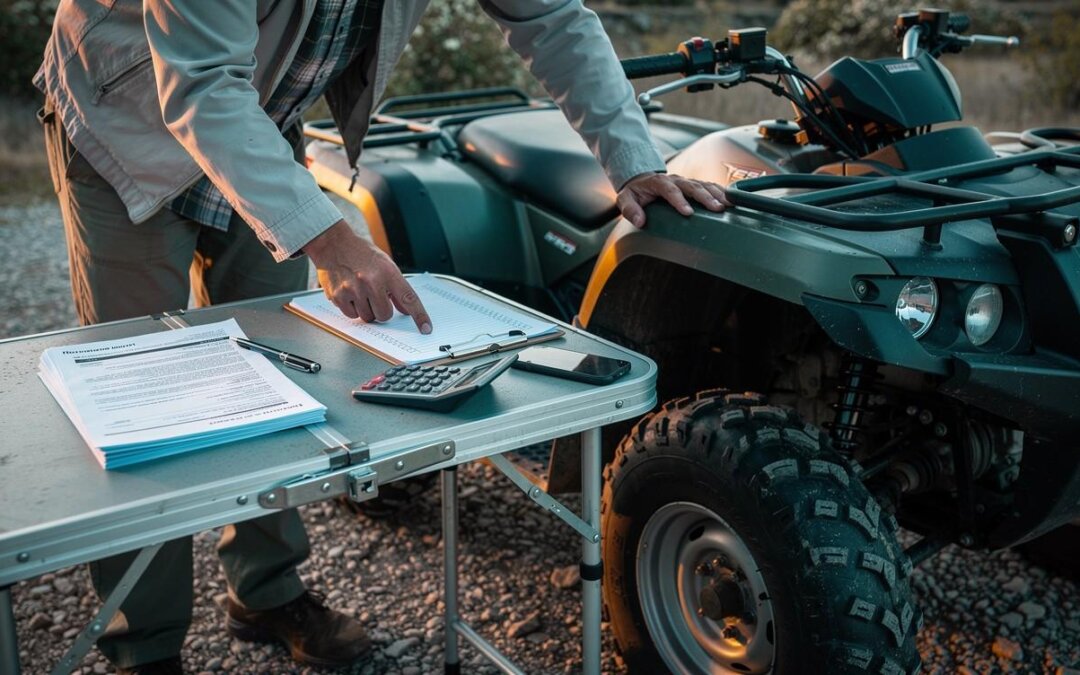
ATV riding comes with real risks, and most riders underestimate how vulnerable they are without proper protection. At Leslie Kay’s, Inc., we’ve seen firsthand how the wrong coverage-or no coverage at all-can turn a single accident into a financial disaster.
Comprehensive ATV insurance coverage isn’t just about following the law. It’s about protecting your assets, your health, and your ability to ride without constant worry about what could go wrong.
What Your ATV Insurance Actually Protects
Liability Coverage: Your First Line of Defense
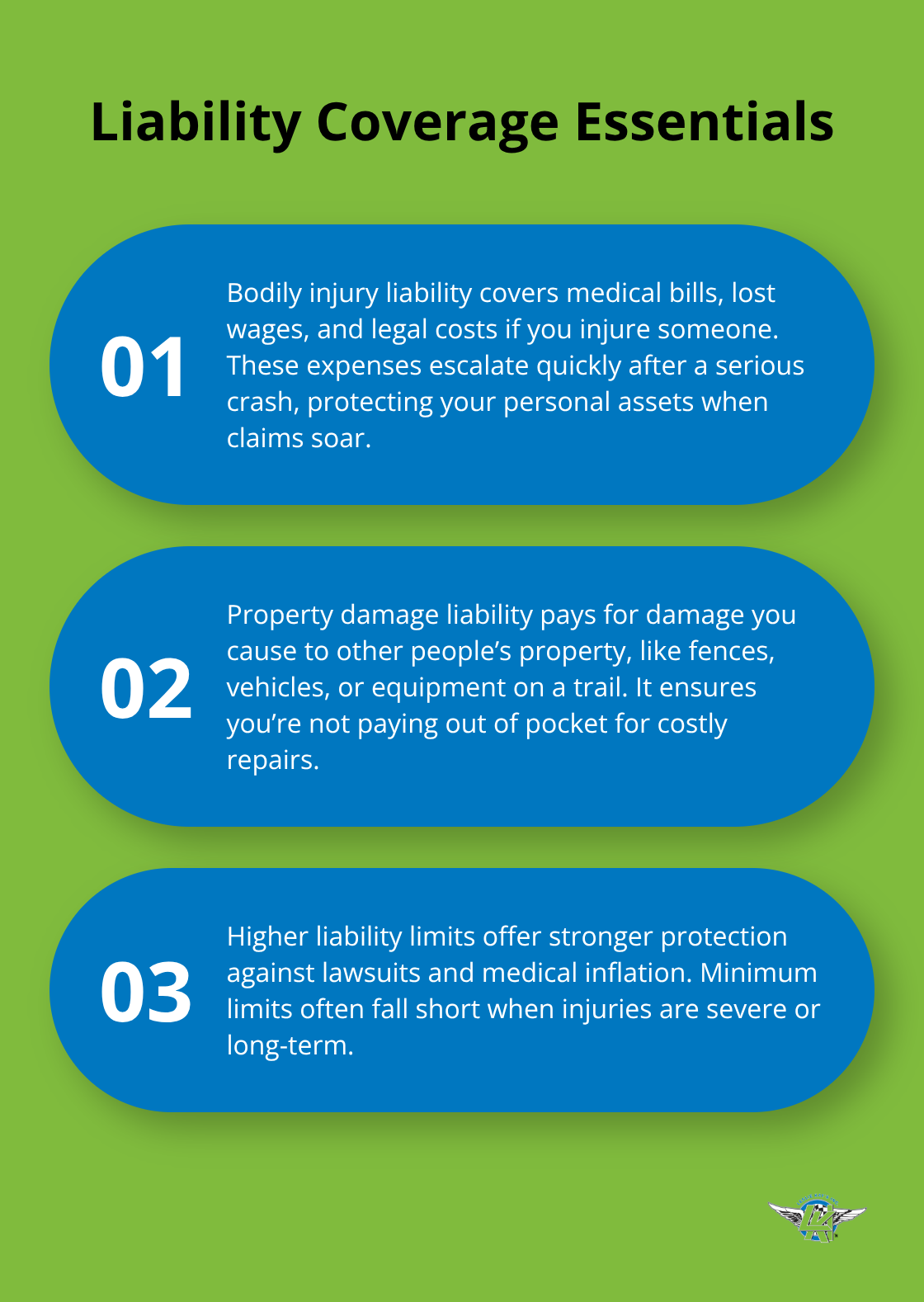
Liability coverage forms the foundation of any ATV policy, and it’s the one coverage type you absolutely cannot skip. Bodily injury liability pays for medical expenses, lost wages, and legal costs if you injure someone while riding-and those costs escalate fast. A single serious accident can easily exceed $100,000 in medical bills, and liability coverage protects your personal assets when that happens. Property damage liability covers damage you cause to someone else’s property, like hitting a fence, vehicle, or equipment on a trail.
Many states don’t legally require ATV insurance, but private trails and parks often mandate liability coverage before you ride, so check your local riding areas before assuming you’re exempt. The limits you choose matter significantly: a $50,000 bodily injury limit sounds reasonable until you face a lawsuit from someone with permanent injuries. We recommend higher limits than the minimum because medical inflation and legal settlements have climbed substantially over the past decade.
Collision and Comprehensive: Protecting Your Vehicle
Collision and comprehensive coverage protects the ATV itself, and these are where most riders face real gaps. Collision coverage pays for repairs or replacement after a crash, rollover, or impact with an obstacle-exactly what happens on rough terrain. Comprehensive coverage handles non-collision losses: theft, vandalism, fire, weather damage, and hitting an animal. Theft represents a genuine concern; ATVs attract thieves because they’re portable and valuable, and recovery rates remain low in most regions.
If you financed or leased your ATV, your lender almost certainly requires both collision and comprehensive coverage. These two coverage types work together to address the physical damage risks that homeowners insurance simply won’t touch.
Medical Payments and Uninsured Motorist Coverage
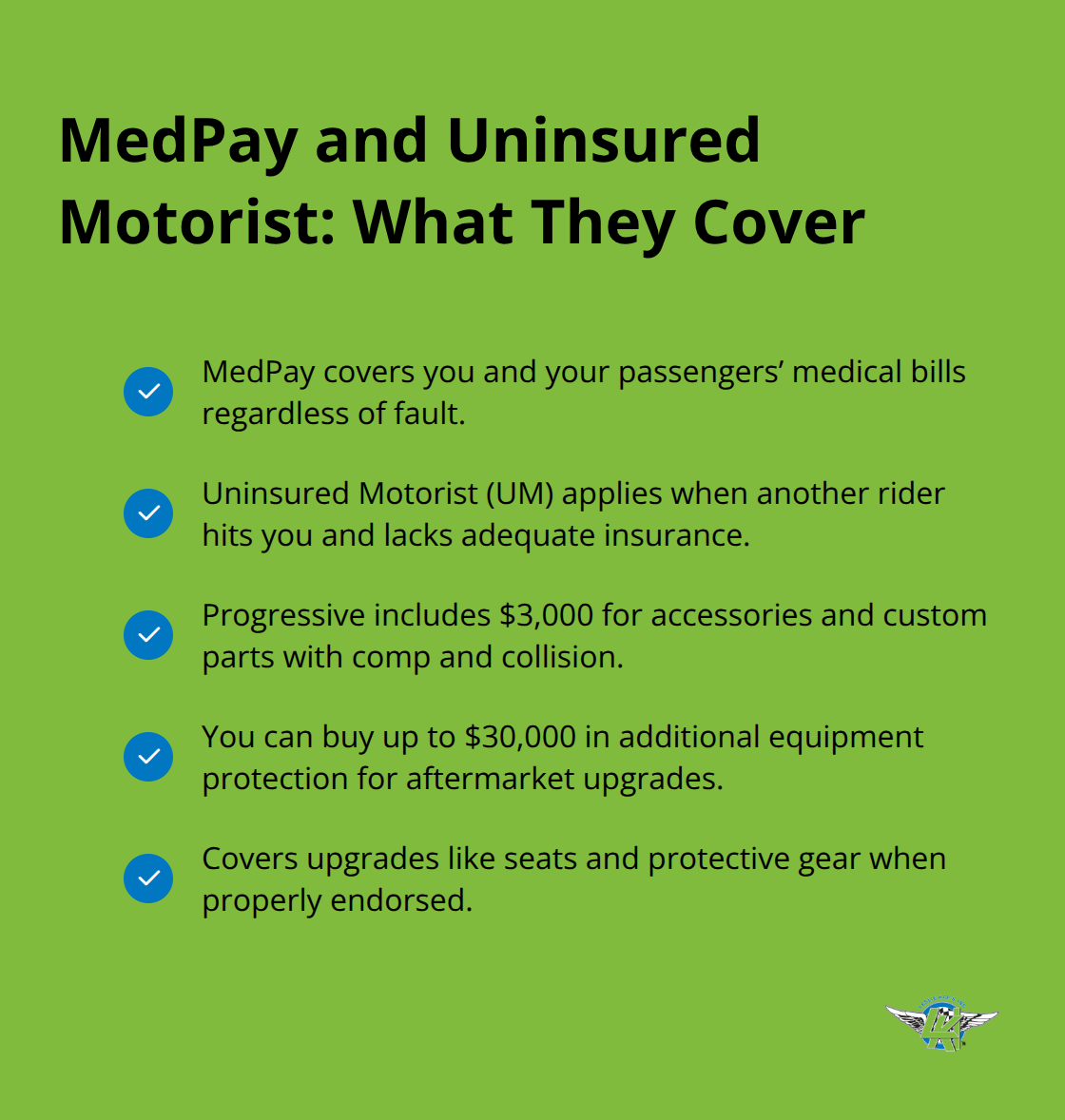
Medical payments coverage (MedPay) is often overlooked but handles your and your passengers’ medical bills regardless of fault, which is practical protection since accidents happen fast. Uninsured motorist coverage applies if another rider hits you and lacks adequate insurance-a real scenario on crowded trails. Progressive automatically includes $3,000 in accessories and custom parts coverage on policies with comprehensive and collision, which covers upgrades like seats and protective gear, though you can purchase up to $30,000 in additional equipment protection if your ATV has significant aftermarket modifications.
These coverage layers address specific risks that standard homeowners policies exclude entirely. A dedicated ATV policy becomes non-negotiable for serious riders who want protection that actually matches their riding reality. Understanding what each coverage type protects sets you up to identify the gaps that matter most for your situation.
Why ATV Insurance Protects Your Wallet
Legal Requirements Hide Behind Private Riding Areas
ATV insurance exists for one reason: to prevent a single bad day from destroying your financial stability. Most states don’t legally mandate ATV insurance, which creates a dangerous false sense of security among riders. However, private trails, riding parks, and organized events frequently require proof of liability coverage before you ride, so skipping insurance doesn’t mean you’re operating in a legal gray area-it means you’re excluded from popular riding destinations. More importantly, if you cause an injury or property damage, your homeowners insurance almost certainly won’t cover it. Homeowners policies explicitly exclude liability and physical damage coverage for off-road vehicles used away from your property, creating a massive gap that only a dedicated ATV policy fills.
The Real Cost of Liability Without Coverage
A single lawsuit from a serious injury can exceed $500,000 in damages, and without coverage, creditors pursue your wages, savings, and assets for years. Financial protection against unexpected accidents isn’t theoretical-it’s the difference between a manageable insurance claim and personal bankruptcy. Bodily injury claims escalate fast; a serious accident easily exceeds $100,000 in medical bills alone, and liability coverage protects your personal assets when that happens. Property damage liability covers damage you cause to someone else’s property, like hitting a fence, vehicle, or equipment on a trail. The limits you choose matter significantly: a $50,000 bodily injury limit sounds reasonable until you face a lawsuit from someone with permanent injuries.
Physical Damage Coverage Addresses Real Threats
Comprehensive and collision coverage protect your ATV from the specific losses that matter most to riders. Theft is a genuine problem; ATVs disappear regularly from garages, trailers, and trailheads because they’re portable, valuable, and difficult to track. Weather damage, fire, and vandalism happen more often than most riders realize, especially in regions with heavy snow or storms. If you financed your ATV, your lender requires comprehensive and collision coverage anyway, so the question isn’t whether you need it-it’s whether you’re getting enough.
Deductibles and Limits Shape Your Out-of-Pocket Risk
Collision deductibles typically range from $500 to $1,000, and comprehensive deductibles operate separately, so you could face multiple out-of-pocket costs in a single incident. Choosing higher limits and lower deductibles costs more upfront but prevents sticker shock when you actually need to file a claim. The trade-off between premium cost and deductible amount determines how much you pay when disaster strikes. An independent agency like Leslie Kay’s, Inc. helps riders understand these trade-offs and structure policies that match both their riding habits and their financial reality, because selecting the wrong coverage limits creates regret that lasts far longer than the premium savings ever will.
Now that you understand how liability and physical damage coverage protect your finances, the next critical question becomes identifying the gaps that most riders miss entirely.
Where Your ATV Insurance Actually Falls Short
Most riders discover coverage gaps only after an accident, which is far too late to fix the problem. Standard ATV policies handle the basics-liability, collision, and comprehensive-but they leave significant blind spots that catch owners off guard.
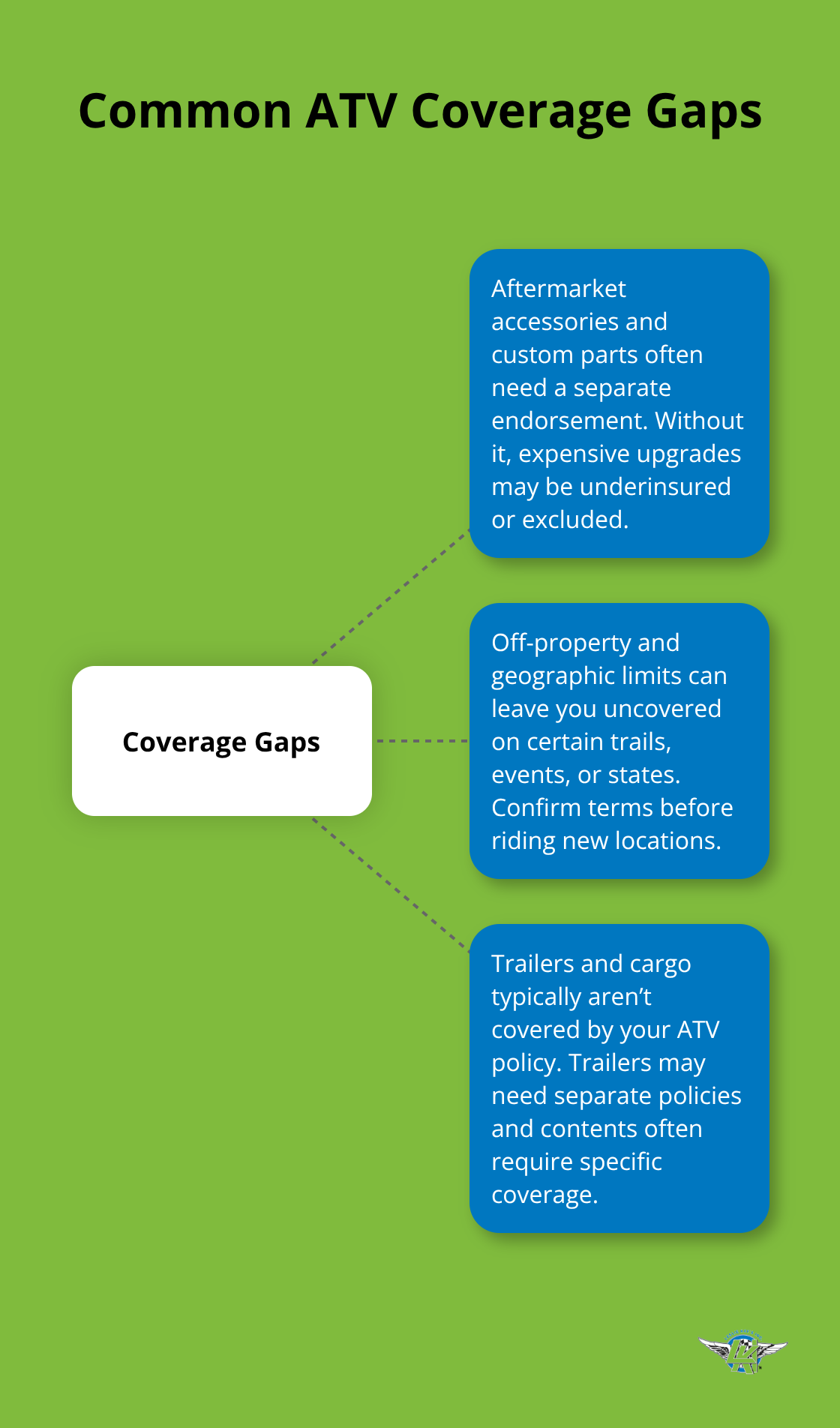
Aftermarket Accessories and Custom Parts
Aftermarket accessories represent the first major gap. Basic Powersport insurance typically does not cover aftermarket modifications. You can get protection by adding a custom parts and equipment endorsement to your policy, but riders rarely realize they need it until they file a claim for a damaged $5,000 custom seat or destroyed protective gear.
The real problem: most policies don’t automatically calculate your actual upgrade value, so you end up underinsured without knowing it. Sit down with your ATV and list every aftermarket component-wheels, tires, suspension parts, winches, bumpers, lighting, seats-then add 20 percent for items you forget. That number tells you whether your current coverage is sufficient or whether you need to bump it higher. Many riders skip this step and later regret it when a comprehensive loss totals their vehicle with expensive modifications attached.
Off-Property Riding and Geographic Limitations
Off-property riding creates another critical gap that catches serious riders. Your homeowners policy covers liability only on your property, which means the moment you load your ATV and drive to a trail, a riding park, or someone else’s land, you lose that protection entirely. Standard ATV policies address this by covering you on private trails and designated riding areas, but the coverage terms vary significantly by insurer and policy.
Some carriers exclude certain types of riding-competition events, commercial use, or riding on public roads-while others restrict coverage to specific geographic regions. You must contact your insurance agent before riding in a new state or on unfamiliar property to confirm your policy actually covers that specific location and activity. This conversation prevents nasty surprises when you file a claim and discover your coverage doesn’t apply to where you were riding.
Trailers and Cargo Protection
Trailers and cargo present a third blind spot that most riders overlook completely. Your ATV policy covers the vehicle itself, but not the trailer you haul it in, and definitely not the camping gear, hunting equipment, or tools you transport. A quality enclosed trailer costs $3,000 to $8,000, and you need separate coverage for it-typically through an auto or specialty equipment policy.
Most ATV insurance does not cover trailer contents, so this only applies to items damaged in the accident itself, not items stolen from an unattended trailer at a trailhead. If you regularly transport valuable equipment, you need explicit conversation with your agent about whether your policy covers trailer contents, because standard ATV insurance absolutely does not. An independent agency can help you structure coverage that protects both your vehicle and the equipment you haul with it.
Final Thoughts
Comprehensive ATV insurance coverage protects three critical areas: your liability exposure when you injure someone or damage their property, your vehicle against collision and theft, and your passengers through medical payments coverage. These core components form the foundation of responsible riding, but they only work if you actually understand what your policy covers and where the gaps exist. Aftermarket accessories, off-property riding, and trailer contents represent the blind spots that catch most riders unprepared, so reviewing your current policy against your actual riding habits matters far more than the premium you pay.
Your riding lifestyle changes over time, and your insurance should change with it. If you upgraded your ATV with expensive modifications, added a trailer, or started riding in new states, your existing coverage may no longer match your real needs. Annual policy reviews catch these misalignments before they become expensive problems.
Finding the right coverage requires honest conversation with someone who understands ATV riding and the specific risks you face. An independent agency like Leslie Kay’s, Inc. shops multiple carriers to find policies that actually fit your needs rather than pushing generic coverage that leaves gaps, and they handle claims support when accidents happen with seven-day-a-week service because riders don’t schedule emergencies around business hours.
The information provided in this blog is for general informational purposes only and does not constitute legal, financial, or insurance advice. Coverage options, terms, and availability may vary. Please consult with a licensed professional for advice specific to your situation.
Artificial intelligence may have been used to generate text and images in some blog articles.