
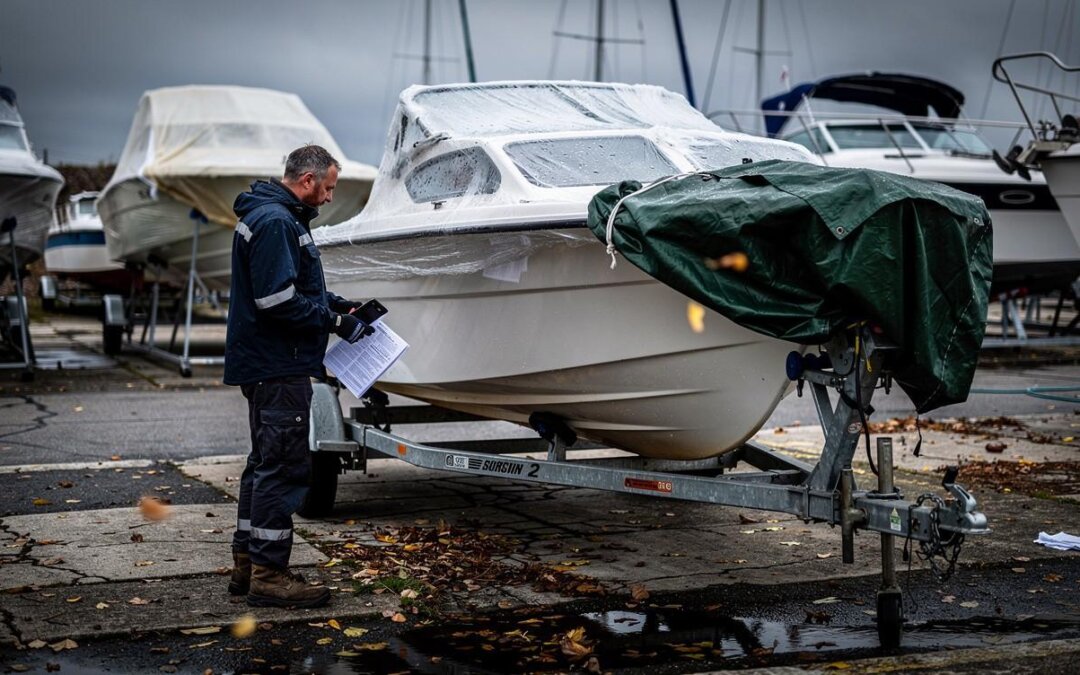
Boat owners face a real problem: insurance costs stay the same whether you’re actively boating or storing your vessel for months. That’s wasteful.
At Leslie Kay’s, Inc., we know that seasonal boat insurance needs change throughout the year. The coverage you need in summer differs completely from winter storage requirements. By adjusting your policy strategically, you can cut costs while staying protected when it matters most.
Why Seasonal Insurance Adjustments Matter
Peak Season Exposure Demands Full Protection
During peak boating season, your boat faces real exposure. You navigate traffic regularly, dock at crowded marinas, and deal with weather conditions that increase accident risk. Summer months see the highest number of boating incidents according to safety data. This is when you absolutely need comprehensive hull coverage, liability protection, and medical payments coverage. Your policy must reflect this elevated risk.
Off-Season Storage Changes Your Coverage Needs
The moment you haul your boat for winter storage, that coverage becomes overkill. Your vessel sits stationary in a secure location, which dramatically reduces accident exposure but increases exposure to theft and weather damage. Many boat owners pay full-season rates year-round without recognizing this fundamental shift in risk. Your boat no longer needs collision or comprehensive coverage at full rates, but it does need theft and weather protection.
The Financial Impact of Year-Round Full Coverage
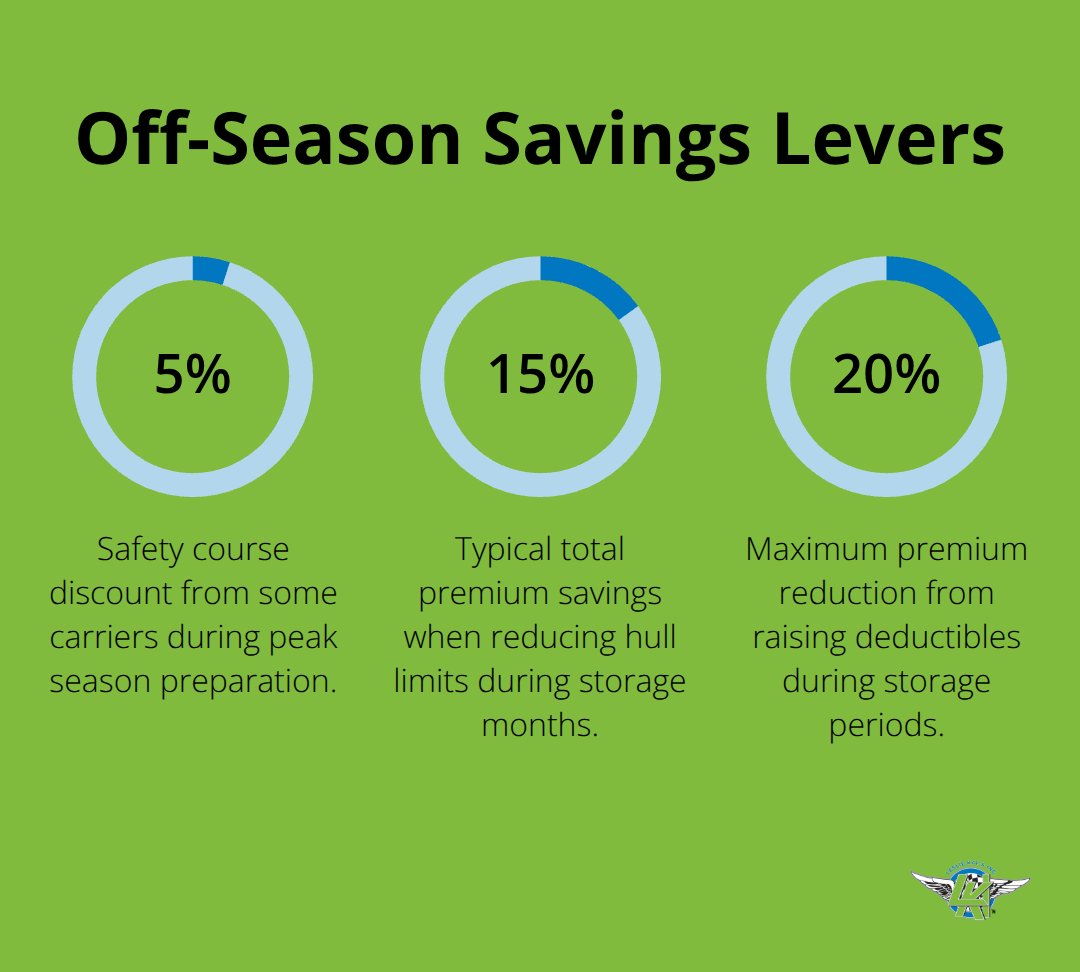
The financial waste is significant. Boat insurance premiums vary substantially based on usage patterns, with some insurers offering seasonal discounts ranging from 10 to 40 percent during storage months. A boat owner paying $1,200 annually for full coverage could potentially reduce that to $700 or $800 during a six-month off-season through appropriate policy adjustments. This approach isn’t about cutting corners on protection where you actually need it-it’s about matching your customized coverage to your actual risk.
Matching Coverage to Risk Throughout the Year
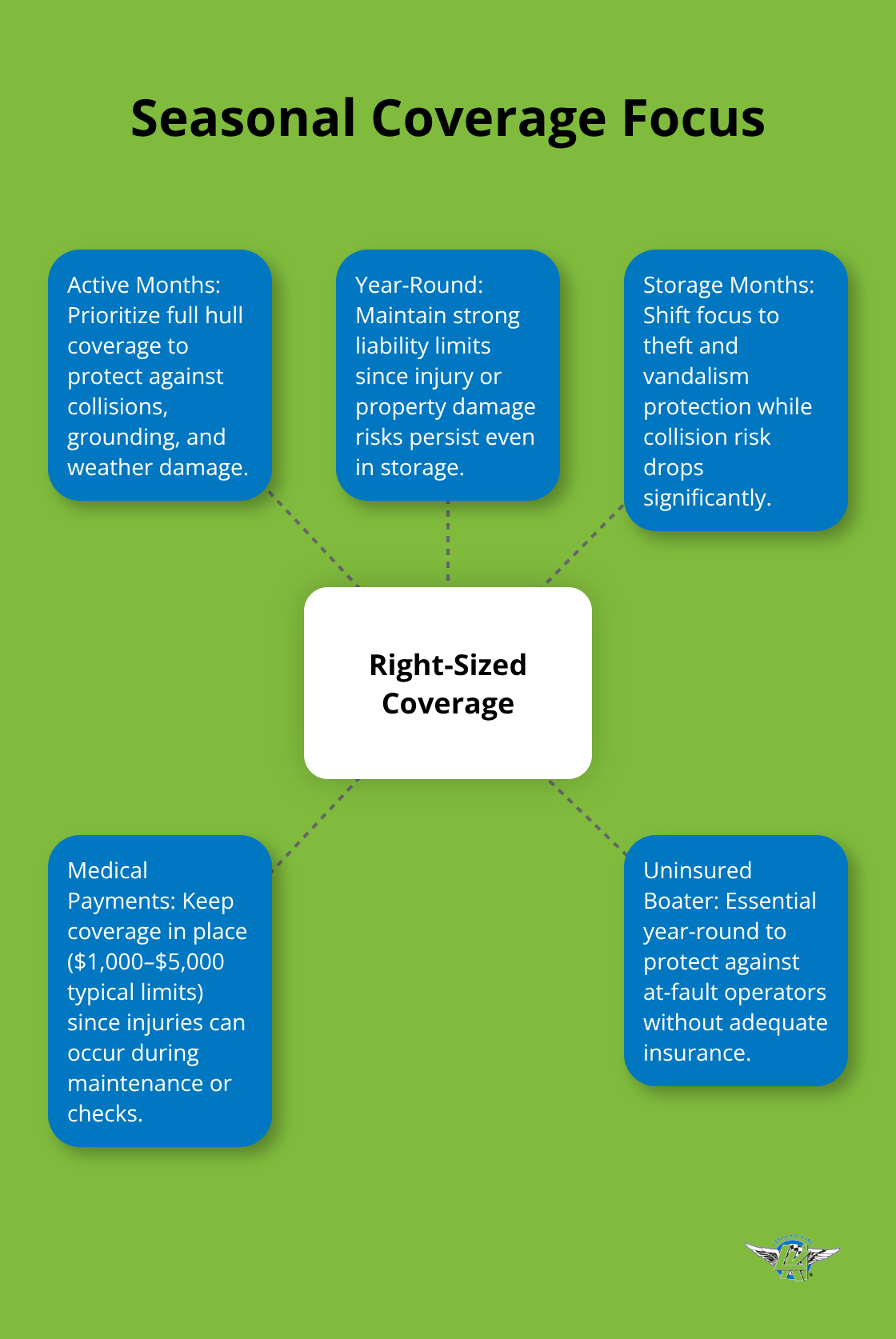
During active months, you need robust liability limits because a single incident could result in serious injuries or property damage to other vessels or people. During storage periods, you shift your focus to protection against theft and environmental damage. The key is communicating your storage location and usage schedule to your insurer well before seasonal transitions occur. This advance notice allows your provider to adjust your policy accurately and helps you avoid paying for protection you don’t currently need.
Getting Your Coverage Structure Right
Understanding which coverage types matter most during each season sets the foundation for smart policy adjustments. The specific protections you add or reduce depend on your boat type, storage method, and regional climate patterns.
Essential Coverage for Every Season
Hull Protection During Active Months
Hull and liability protection form the backbone of any boat insurance policy, but seasonal adjustments change how much coverage you actually need. During peak boating months, your hull faces constant exposure to collisions, grounding, and weather damage, which is why full hull coverage becomes non-negotiable. When your boat sits idle in storage, you can reduce hull coverage limits since stationary vessels face minimal collision risk.
Liability Coverage That Works Year-Round
Liability coverage protects you when your boat causes injury or property damage to others-a single incident can exceed $100,000 in claims. This exposure persists even during off-season months if someone is injured on your stored boat or if it damages neighboring property. You cannot safely reduce liability limits just because your vessel sits in storage. The risk of causing harm to others remains present throughout the year.
Theft and Vandalism During Storage Periods
Theft and vandalism coverage becomes your priority during storage periods when boats sit vulnerable in yards or warehouses. This coverage protects your investment when your boat cannot be actively supervised.
Medical Payments and Uninsured Boater Protection
Uninsured boater coverage protects you if another boat operator without adequate insurance causes an accident that injures you or damages your vessel-this coverage remains essential year-round since it addresses risks beyond your control. Medical payments coverage pays for injuries to you and your passengers regardless of fault, with typical limits ranging from $1,000 to $5,000 per person. Accidents can happen during maintenance work or when you check on your stored vessel, so maintaining medical payments coverage even during off-season makes practical sense.
Strategic Deductible Adjustments Save Money
The practical approach involves adjusting your deductibles seasonally-raising them during storage months when your boat faces lower risk can reduce premiums by 15 to 25 percent, while keeping lower deductibles during active months when incident probability increases significantly. This strategy protects your wallet without sacrificing protection when you actually need it. Understanding which coverage types matter most during each season sets the foundation for the specific policy adjustments that work best for your situation.
How to Adjust Your Policy for Seasonal Changes
Start Your Adjustments Four to Six Weeks Early
The biggest mistake boat owners make is waiting until peak season arrives to adjust their policies. You cannot call your insurer in June asking for additional coverage and expect it to take effect immediately during the busiest boating period. Start your seasonal adjustments at least four to six weeks before your usage patterns change. If you typically launch your boat in May, contact your insurer in mid-March to increase hull and liability coverage. If you’re hauling out in October, reach out in late August. This advance timing prevents coverage gaps and gives your insurer time to process your request without delays.
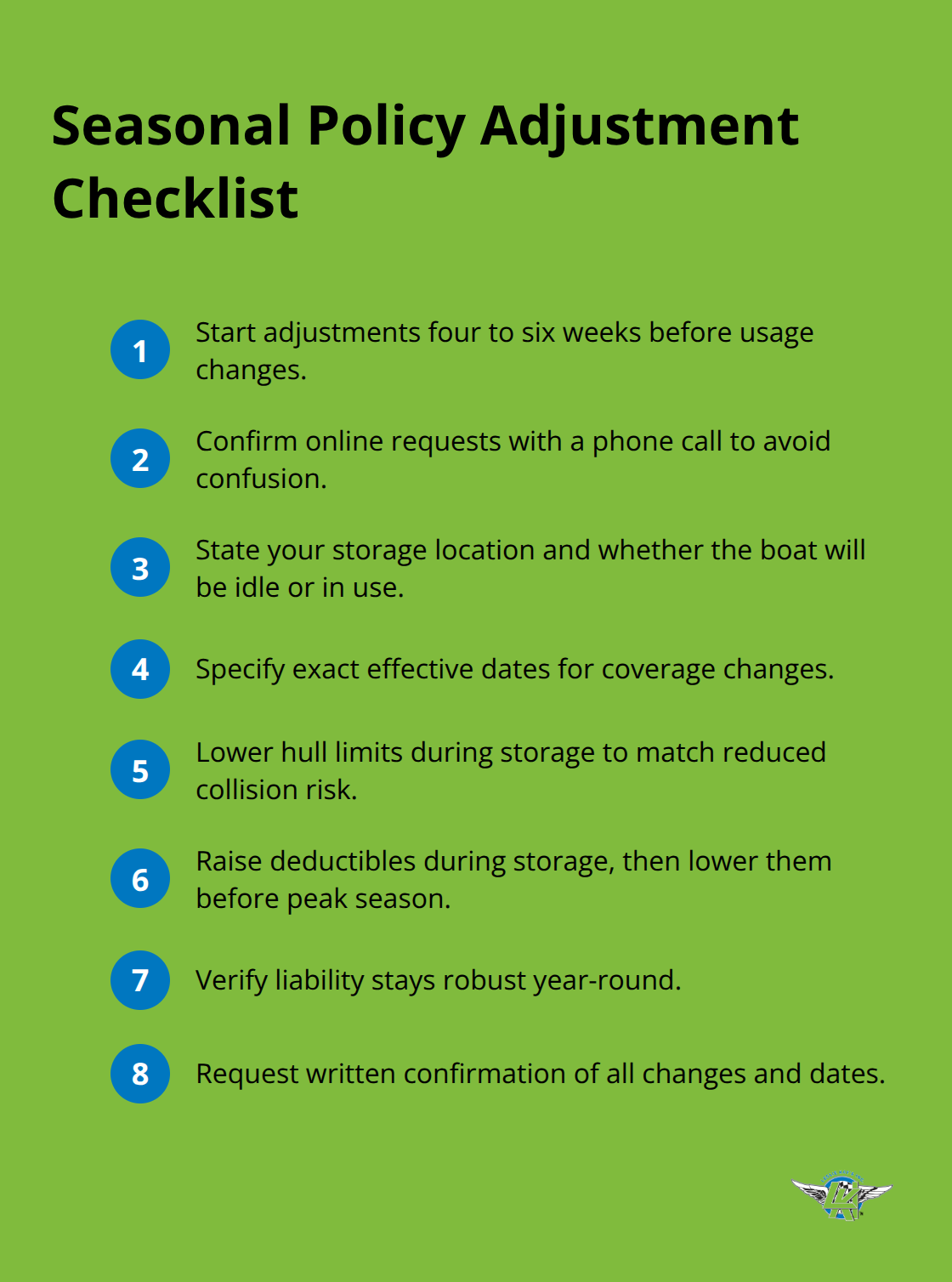
Many insurers offer online policy management tools that let you request changes instantly, but confirming those changes with a phone call eliminates confusion. When you call, be specific about your storage location, whether your boat will sit idle or see active use, and what date you want coverage adjustments to take effect. Your insurer needs these details to calculate accurate premiums and ensure your policy reflects your actual risk profile.
Reduce Coverage During Off-Season Storage
During off-season storage, your boat no longer needs collision or comprehensive coverage at full rates, but the reduction process requires precision. Most insurers allow you to reduce hull coverage limits by 25 to 50 percent during storage months, which typically saves 15 to 25 percent on your total premium. Do not eliminate liability coverage entirely-this is the mistake that costs boat owners thousands. Maintain your liability limits year-round because the risk of causing injury or property damage persists even when your boat sits stationary.
Increase your deductible from $500 to $1,000 or $1,500 during storage periods since your boat faces minimal accident risk. This deductible adjustment alone can reduce your premium by 10 to 20 percent without sacrificing protection. Add theft and vandalism coverage specifically for storage months if your current policy doesn’t include it, which typically costs $50 to $150 for a six-month period (depending on your boat’s value and storage location). Confirm that your storage facility meets your insurer’s security requirements-many policies require locked gates, surveillance cameras, or indoor storage to qualify for off-season discounts.
Increase Protection Before Peak Season
As peak season approaches, your coverage needs the opposite adjustment. Reduce your deductible back to $500 or lower since your boat now faces higher collision and weather damage risk from regular use. Verify that your hull coverage limits match your boat’s current market value-boats depreciate, and you might be over-insured on older vessels or under-insured on newer ones.
Request quotes from your insurer for increased liability limits, particularly if you plan to carry more passengers or venture into unfamiliar waters where accident risk increases. Medical payments coverage should stay at $5,000 per person minimum during active months since injuries to you and your passengers become statistically more likely. Check whether your policy includes uninsured boater protection with adequate limits-this coverage protects you if another operator without insurance causes an accident, and it should match your liability limits for consistency. Ask your insurer about seasonal discounts that apply to certain usage patterns, such as day-use-only boats or those kept within specific geographic areas. Some carriers offer 5 to 15 percent discounts for boaters who complete safety courses, so finishing one before peak season could reduce your premium while improving your skills.
Document Storage Location and Usage Details
Your insurer needs accurate information about where your boat sits and how you use it to calculate proper premiums and honor claims. Provide your storage facility’s address and describe whether it’s indoor storage, outdoor storage with a canopy, or simply a location on your property. Include the security features at your storage location-fencing, lighting, surveillance, or proximity to your home all affect your risk profile and premiums.
Specify your intended launch and haul-out dates rather than vague months, which prevents confusion about when coverage changes take effect. Document your typical boating activities during peak season-day trips, overnight cruising, tournament fishing, or water sports all carry different risk levels that affect your premium. If you plan to trailer your boat to different regions, inform your insurer because boating in saltwater or unfamiliar coastal areas carries different risks than boating on home lakes (and may require additional coverage).
Request written confirmation of all policy changes and the effective dates they take effect, which protects you if coverage gaps occur. Keep this documentation with your insurance papers so you have proof of what coverage you requested and when you requested it, which matters if you need to file a claim.
Final Thoughts
Seasonal boat insurance needs shift dramatically throughout the year, and ignoring those changes costs you money while leaving gaps in your protection. The boat sitting idle in winter storage requires completely different coverage than the same vessel actively cruising in summer. Adjusting your policy strategically eliminates wasteful spending on protection you don’t currently need while maintaining robust coverage when your boat faces real exposure.
Reducing hull coverage limits and raising deductibles during off-season months can cut your premium by 15 to 25 percent, potentially saving hundreds of dollars annually. That same flexibility allows you to maintain full liability protection year-round without compromise, since the risk of causing injury or property damage persists whether your boat is active or stored. This approach matches your coverage to your actual risk profile at each stage of the boating calendar.
Starting your adjustments four to six weeks before seasonal transitions prevents coverage gaps and gives your insurer time to process changes accurately. Document your storage location, usage patterns, and launch dates clearly so your provider calculates premiums correctly. Contact Leslie Kay’s, Inc. to discuss how seasonal boat insurance needs can be addressed with policies tailored to your specific usage patterns throughout the year.
The information provided in this blog is for general informational purposes only and does not constitute legal, financial, or insurance advice. Coverage options, terms, and availability may vary. Please consult with a licensed professional for advice specific to your situation.
Artificial intelligence may have been used to generate text and images in some blog articles.