
Owning a pleasure craft comes with real financial exposure that most waterfront lovers underestimate. At Leslie Kay’s, Inc., we’ve seen too many boat owners scramble after accidents or damage because their coverage fell short.
The right pleasure craft insurance tips can save you thousands and protect what matters most. This guide walks you through the coverage you actually need, the mistakes to avoid, and how to lock in the best rates.
Types of Watercraft Coverage You Actually Need
Hull and Liability Protection Form Your Foundation
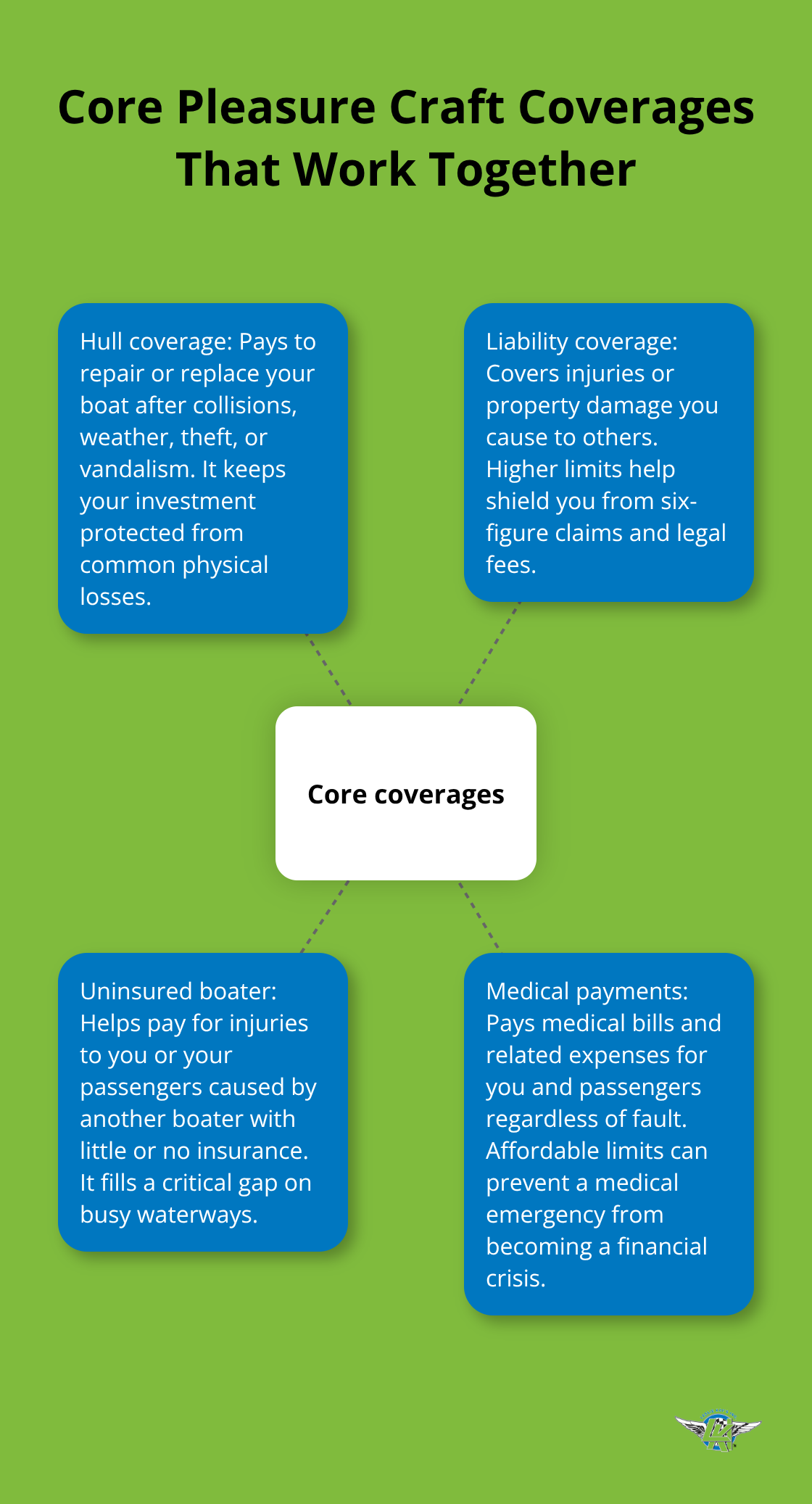
Hull and liability protection forms the foundation of any pleasure craft policy, and most boat owners get this part right. Hull coverage pays for damage to your watercraft from collisions, weather, theft, or vandalism, while liability covers injuries or property damage you cause to others. The problem we see is that owners drastically underestimate their liability limits. If your boat causes serious injury to another person or damages their vessel, medical bills and legal fees spiral fast. A single incident involving multiple passengers can easily exceed $500,000 in damages.
Standard policies often cap liability at $100,000 to $300,000, which leaves you personally responsible for anything above that threshold. We recommend carrying at least $500,000 in liability coverage for boats over 25 feet, and $1 million if you frequently host passengers or operate in high-traffic waterways. Your homeowners insurance does not extend to watercraft liability, so this is your only protection against catastrophic financial exposure.
Uninsured Boater Coverage Fills Critical Gaps
Uninsured boater coverage addresses a gap that hull and liability alone cannot fill. This coverage helps cover your injuries or your passenger’s injuries caused by another boater with little to no liability insurance-a situation far more common than most assume. That scenario means boaters on the water face a real financial threat from underinsured operators.
Medical Payments Protection Covers Your Passengers
Medical payments coverage covers hospital bills, lost wages, and funeral expenses for you and your passengers after an accident, regardless of who caused it. This coverage typically costs $15 to $40 per year but prevents a single medical emergency from becoming a financial catastrophe. We recommend medical payments limits of at least $5,000 per person and $25,000 per accident for boats that carry multiple passengers regularly.
These three coverage types work together to address the actual risks you face on the water. Now that you understand what protection you need, the next step involves recognizing the mistakes that leave boat owners exposed even when they carry policies.
Common Mistakes Watercraft Owners Make with Insurance
Underestimating Coverage Limits Leaves You Exposed
Most boat owners make one critical error that compounds all others: they set coverage limits based on what feels affordable rather than what actually protects them. Policies with liability caps at $100,000 or $300,000 leave owners personally liable for six-figure losses. A 2023 report found that boat owners carried insufficient liability coverage for their vessel size and usage patterns. A serious injury claim involving multiple passengers easily reaches $500,000 to $1 million, yet owners stick with outdated limits because they never revisit their policies. Your initial quote from five years ago does not reflect your current exposure, especially if you’ve upgraded your boat, added water toys, or increased passenger capacity.
Seasonal Storage Discounts Slip Through the Cracks
Seasonal storage represents another massive blind spot that costs boat owners money they don’t need to spend. Most pleasure craft sit unused for three to six months annually, yet owners maintain full-year premiums without requesting layup discounts. Insurance carriers typically reduce rates 40% to 60% during storage periods when your boat remains stationary and your liability exposure drops significantly. The National Association of Insurance Commissioners data shows that winter layup discounts average $600 to $1,200 annually for mid-sized boats. You must contact your carrier before seasonal storage begins and specify exact storage dates and location-many policies require this notification to activate discounts. Failing to do this costs you thousands over a decade of boat ownership.
Modifications and Upgrades Create Coverage Gaps
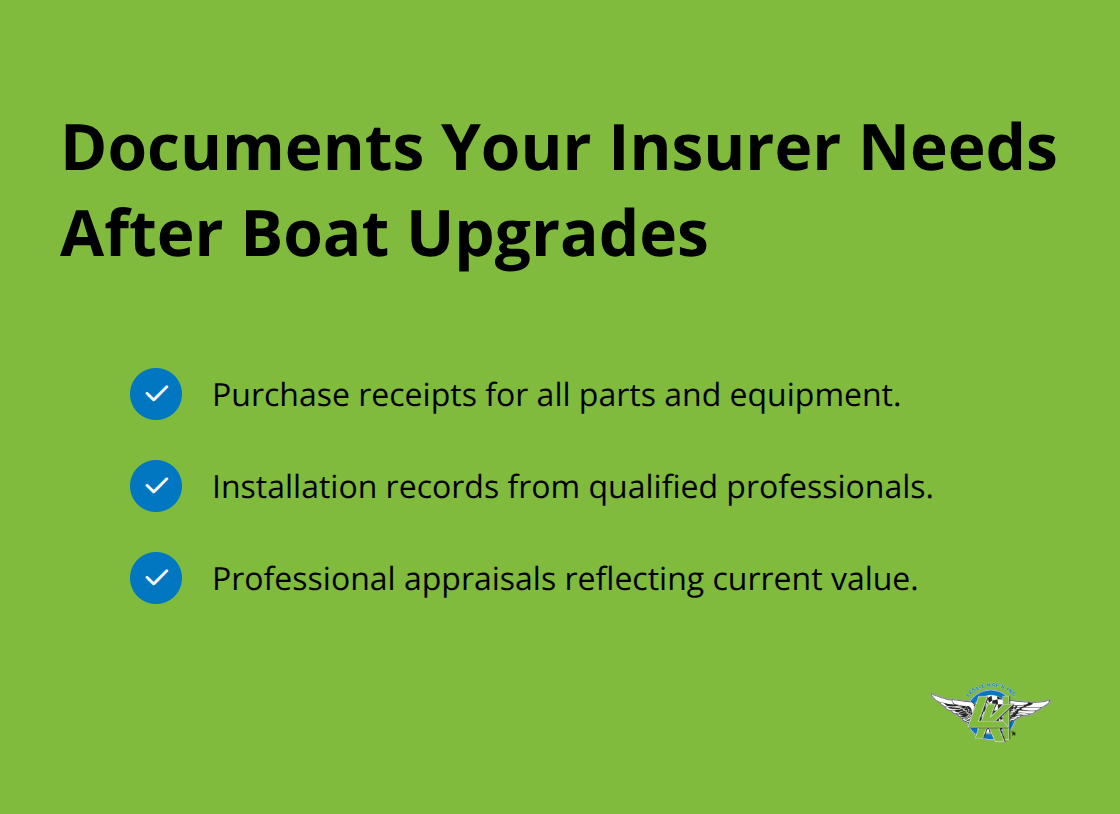
Boat modifications and upgrades create a dangerous coverage gap that most owners completely overlook. Adding a new engine, upgrading to a larger model, installing custom electronics, or replacing the hull material changes your boat’s replacement value and performance characteristics, which directly impacts your insurance needs and rates. Owners carry policies written for a $40,000 boat when they’ve since invested $75,000 in upgrades, meaning their hull coverage falls dangerously short of actual value. Your carrier needs documentation of all modifications (purchase receipts, installation records, and professional appraisals) to adjust your limits accordingly. Skipping this step leaves you uninsured for the very improvements you’ve made to your watercraft.
These mistakes compound quickly, but they’re entirely preventable with the right approach. The next section shows you exactly how to reverse course and secure rates that actually reflect your boat’s value and your real protection needs.
How to Get the Best Rates on Pleasure Craft Insurance
Shop Multiple Carriers for Competitive Quotes
Shopping around across multiple insurance carriers is non-negotiable if you want competitive rates on pleasure craft coverage. Most boat owners accept a quote from one or two carriers without exploring other options, which leaves thousands of dollars on the table. Insurance pricing for watercraft varies dramatically between carriers because they weight risk factors differently. One insurer might charge $1,200 annually for a 28-foot cabin cruiser while another quotes $800 for identical coverage, simply because their underwriting models prioritize different vessel types or geographic locations. You need quotes from at least four to six different insurers before making any decision.
Online quote tools provide a starting point, but phone conversations with agents uncover discounts you’ll never find on a website. Request quotes that match your exact coverage limits and deductibles across all carriers so you’re comparing apples to apples. The difference between the highest and lowest quote typically ranges from 30% to 50%, meaning you could save $600 to $1,500 annually just from taking an afternoon to shop properly.
Bundle Policies Across Vehicles and Watercraft
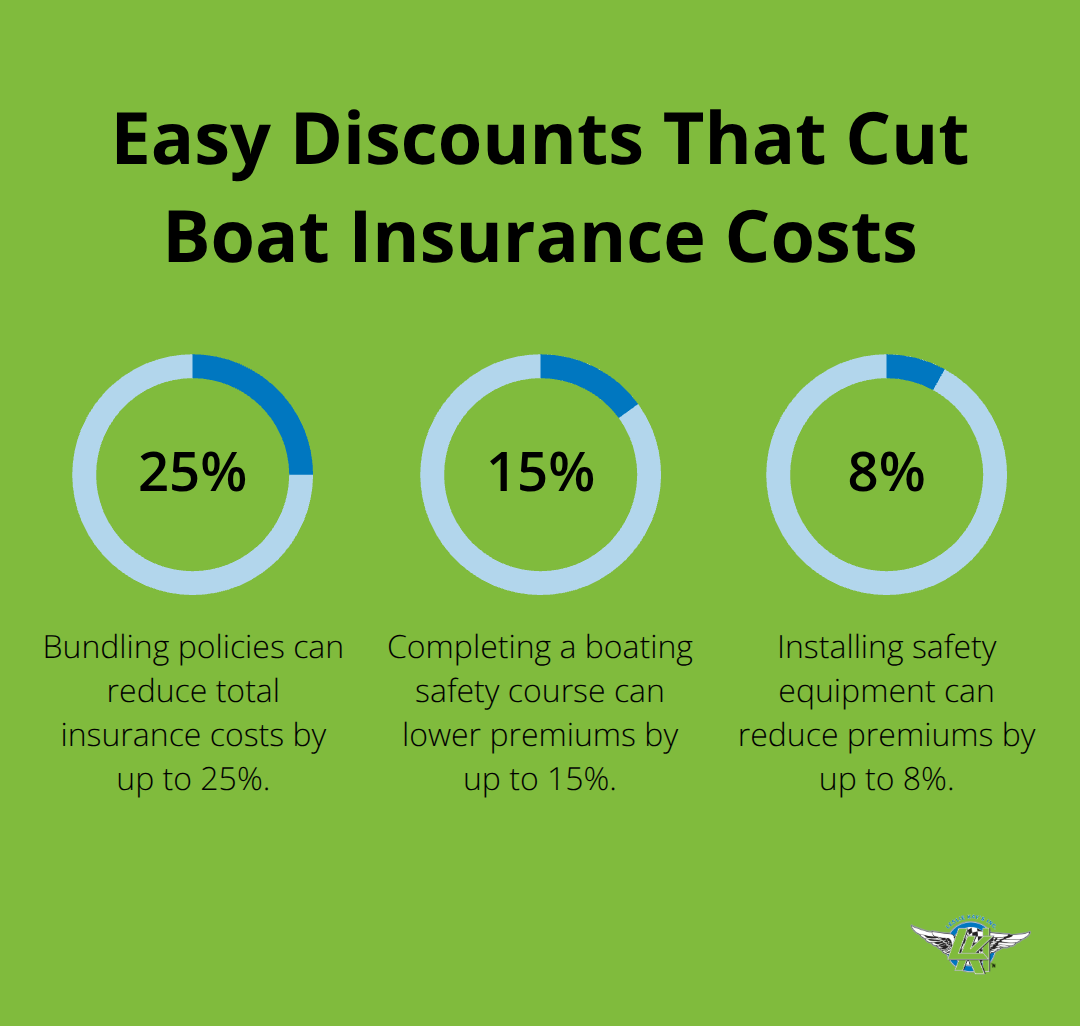
Bundling your pleasure craft policy with your auto, homeowners, or RV insurance can reduce your overall insurance costs by 15% to 25% across all policies combined. Most carriers offer substantial discounts when you consolidate multiple types of coverage under one roof because they reduce administrative costs and increase customer retention. If you carry a car, truck, or motorcycle policy elsewhere, moving your watercraft insurance to that same carrier typically saves you $300 to $600 annually on your boat alone, plus additional discounts on your existing auto or home policies.
Many insurers also bundle ATVs, motorcycles, RVs, and personal watercraft into single packages with even steeper discounts than individual policies. Before you finalize any watercraft quote, ask the carrier about their multi-policy discount structure and request a bundled rate quote. Compare that bundled total against keeping separate policies with different companies, and the math usually favors consolidation significantly.
Take Advantage of Safety Course and Equipment Discounts
Completing a boating safety course can reduce your insurance premium by 5% to 15%, which translates to $75 to $225 annually on most pleasure craft policies. The U.S. Coast Guard and many state boating agencies offer accredited courses either online or in-person, and most take just a few hours to complete. Insurance carriers recognize that trained operators file fewer claims, so they reward certification with immediate discounts.
Equipment upgrades also trigger premium reductions that most owners overlook. Installing safety features like updated fire extinguishers, modern navigation systems with GPS, automatic bilge pumps, or upgraded electrical systems can each reduce premiums by 2% to 8%.
Some carriers offer equipment discounts for anti-theft devices or upgraded security systems if you store your boat in a marina or secured facility. Document all safety equipment with photos and purchase receipts, then provide that documentation to your carrier before your next policy renewal. These upgrades often pay for themselves within one or two years through insurance savings alone, while simultaneously improving your actual safety on the water.
Final Thoughts
Protecting your pleasure craft requires more than buying the cheapest policy available. The pleasure craft insurance tips covered throughout this guide address the real gaps that leave boat owners financially exposed: underestimated liability limits, missed seasonal discounts, and uninsured modifications that inflate your actual replacement value. These mistakes compound over years of ownership, costing thousands in unnecessary premiums or leaving you personally liable for catastrophic losses.
The most effective approach combines three concrete actions: revisit your current policy limits and compare them against your boat’s actual value and usage patterns, shop multiple carriers simultaneously to expose the 30% to 50% price variations that exist for identical coverage, and layer in every available discount through bundling, safety certifications, and equipment upgrades that reduce both your premiums and your real risk on the water. Working with a specialist who understands watercraft insurance makes this process significantly faster and more effective than navigating it alone. Generalist agents often miss carrier-specific discounts or fail to properly document modifications that affect your coverage.
Contact an independent agent who understands watercraft insurance and request quotes from at least four carriers to find competitive rates tailored to your boat’s specifications. Visit Leslie Kay’s, Inc. to explore your options and get started protecting what matters most on the water.
The information provided in this blog is for general informational purposes only and does not constitute legal, financial, or insurance advice. Coverage options, terms, and availability may vary. Please consult with a licensed professional for advice specific to your situation.
Artificial intelligence may have been used to generate text and images in some blog articles.