
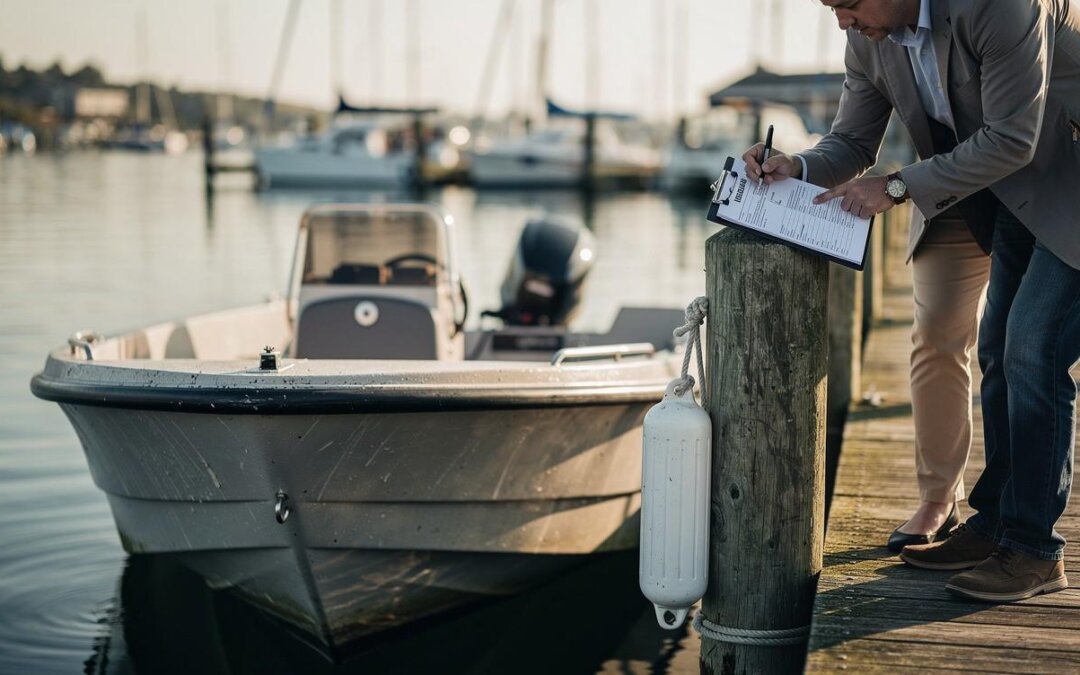
Owning a small vessel comes with real financial exposure. Accidents, collisions, and liability claims can drain your savings fast, which is why a small craft insurance plan isn’t optional-it’s protection you need.
At Leslie Kay’s, Inc., we’ve helped countless boat owners find coverage that fits their budget without leaving them vulnerable. This guide walks you through your options so you can make an informed decision.
What Qualifies as a Small Craft and Why Insurance Matters
Defining Small Vessels
The term small craft covers vessels under 25 feet in length, though some insurers draw the line at 27 or 30 feet depending on the boat type and horsepower. Vessels in this range-from 15-foot center consoles to 24-foot cabin cruisers-require dedicated insurance because standard homeowners policies explicitly exclude watercraft. A boat sitting in your driveway has zero protection under your homeowners policy if it sustains damage or theft. According to the National Association of Insurance Commissioners, roughly 4.5 million recreational boats operate in the United States, yet underinsurance remains widespread among smaller vessel owners who mistakenly believe their existing policies cover them.
The Real Costs of Boating Accidents
Medical expenses from boating accidents run steep. A single incident requiring emergency response and hospitalization can exceed $10,000 before legal fees enter the picture. The U.S. Coast Guard reported recreational boating accidents in recent years, with fatalities and injuries occurring regularly. Property damage claims follow similar patterns-collision with another vessel, dock impact, or storm damage typically costs between $5,000 and $25,000 to repair (depending on hull size and engine type).
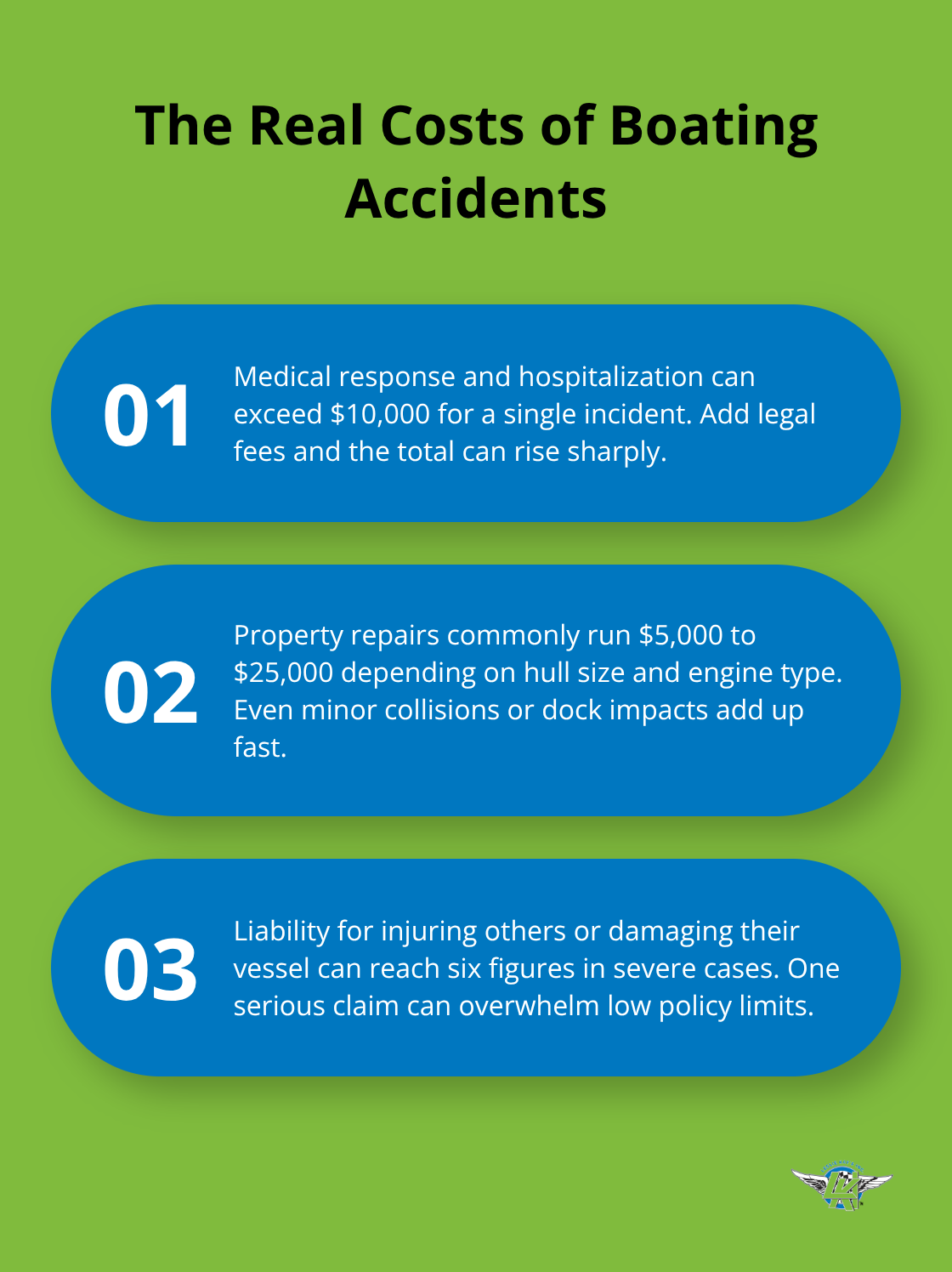
Liability exposure proves especially serious because if you cause injury to another boater or damage their vessel, you face personal liability for all damages, which can reach six figures in severe cases.
Why Small Craft Policies Matter
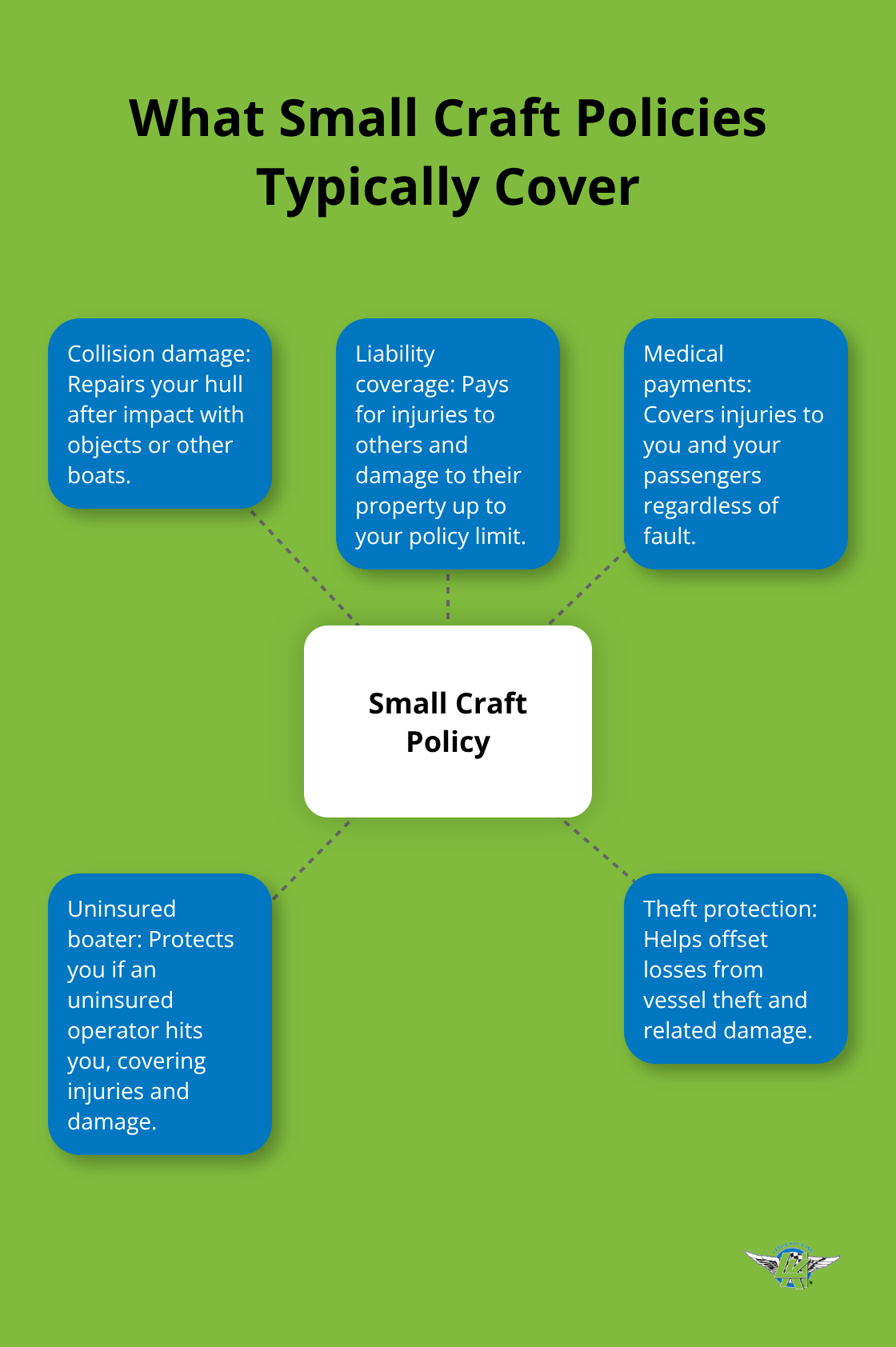
Small craft policies address water-specific hazards that standard insurance ignores. These policies cover collision damage to your hull, liability if you injure someone or damage their property, medical payments for injuries to you or your passengers, and uninsured boater protection in case someone without insurance hits you. Theft protection also matters because boat theft costs the industry roughly $150 million annually according to the National Marine Manufacturers Association.
Your vessel’s value depreciates, maintenance costs accumulate, and operating expenses mount-all reasons why proper coverage protects your investment from day one of ownership. Understanding what coverage options exist helps you select the right protection for your specific vessel and boating habits.
Coverage Options and What Small Craft Insurance Includes
Liability Protection: Your Financial Shield
Liability protection forms the backbone of any small craft policy, and it’s where most boat owners discover they’re seriously underinsured. If you hit another vessel and injure someone or damage their property, your liability coverage pays their medical bills, repair costs, and legal expenses up to your policy limit. Standard liability limits for small craft run between $100,000 and $300,000, but here’s the problem: a single serious injury claim easily exceeds $250,000 when you factor in emergency response, surgery, and ongoing medical care.
Most boat owners choose $250,000 in liability coverage as a practical minimum, though vessels operating in high-traffic areas or carrying multiple passengers warrant $500,000 or higher. This isn’t overcautious thinking-it’s financial reality. Property damage liability separately covers repairs to docks, other boats, or waterfront structures you damage, and these claims routinely hit $10,000 to $30,000.
Hull Coverage and Collision Protection
Hull coverage and collision protection work together to repair or replace your vessel when accidents happen. Hull coverage handles weather damage, theft, vandalism, and sinking, while collision coverage specifically addresses impact with objects or other boats. Deductibles typically range from $250 to $1,000, and higher deductibles substantially lower your premiums-choosing a $1,000 deductible instead of $250 can reduce your annual cost by 15 to 25 percent depending on your vessel’s value and location.
Additional Protections: Uninsured Boaters and Medical Coverage
Uninsured boater coverage protects you if someone without insurance causes the accident, covering your medical expenses and hull damage when the at-fault party can’t pay. Medical payments coverage adds another layer (covering injuries to you and your passengers regardless of fault) with limits typically between $1,000 and $5,000 per person. Your coverage selection should match where and how you actually use your boat, not theoretical worst-case scenarios. A vessel used only on calm inland lakes faces different risks than one operating in coastal waters where weather and traffic density create higher accident probability. Understanding these distinctions helps you move forward with the right protection in place.
How to Find Affordable Small Craft Insurance
Compare Quotes Across Multiple Carriers
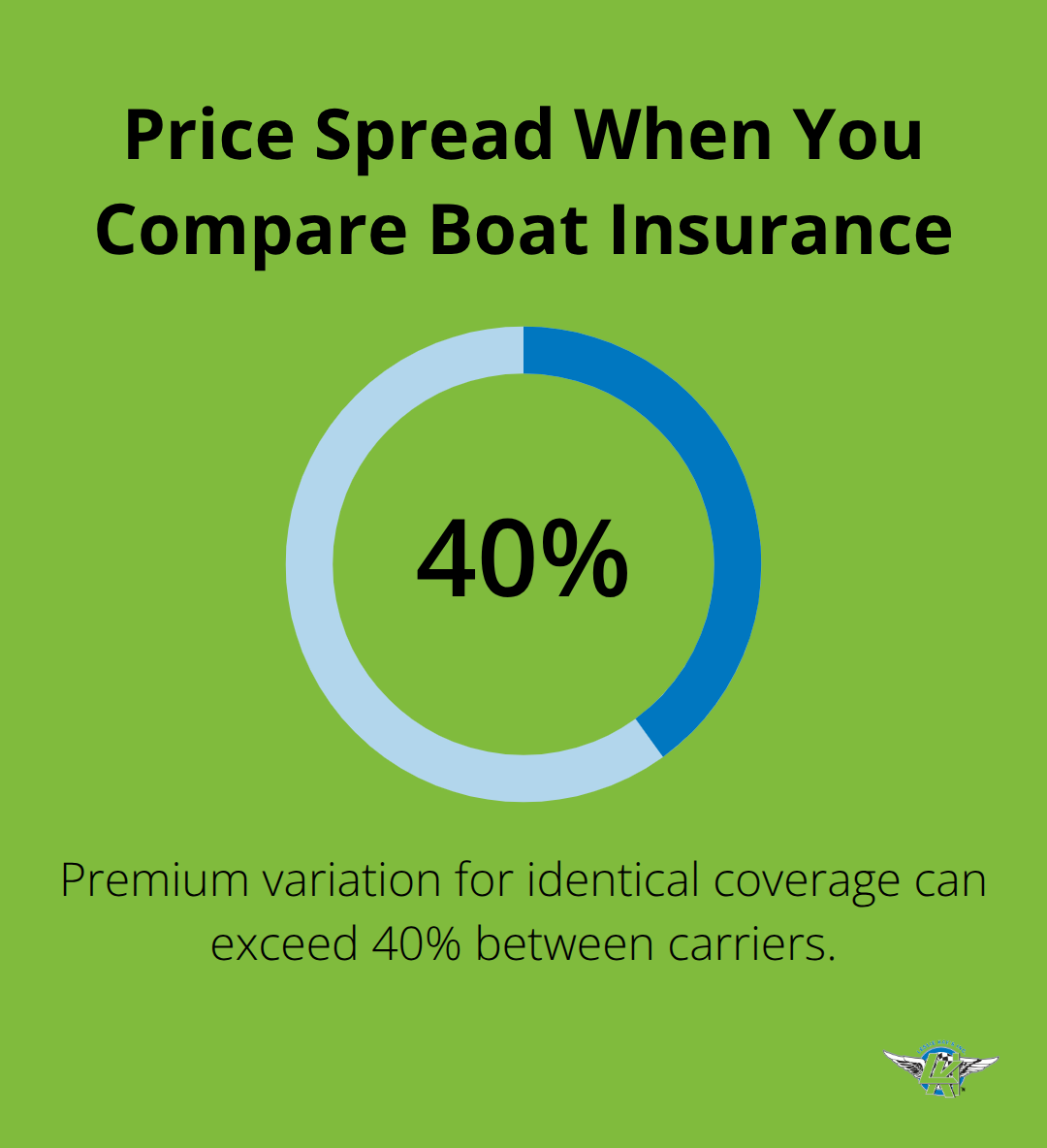
Shopping for small craft insurance without comparing multiple carriers costs you money. Get quotes from at least three different insurers because premium variation for identical coverage can exceed 40 percent. A $500 boat on one carrier might cost $650 with another, meaning twenty minutes of comparison shopping saves you $150 annually and potentially hundreds over your policy’s lifetime.
When requesting quotes, provide identical vessel information across all carriers: exact make, model, year, length, horsepower, usage patterns, and claims history. Inconsistent details create incomparable quotes that waste your time. Online quote tools work for initial screening, but direct calls to agents often reveal discounts the websites don’t advertise.
Leverage Safety Training and Equipment Discounts
Safety features and training certifications slash your premiums substantially. Completing a boating safety course through the U.S. Coast Guard Auxiliary or National Association of State Boating Law Administrators typically reduces your annual premium by 10 to 15 percent, and many insurers offer this discount indefinitely once you complete the course.
Installing safety equipment beyond legal minimums also triggers discounts: GPS systems, fire extinguishers, automatic bilge pumps, and anti-theft devices can combine to lower your cost by another 10 to 20 percent depending on your vessel and insurer. These investments protect both your wallet and your safety on the water.
Stack Discounts and Adjust Deductibles
Bundling your boat policy with auto, motorcycle, or RV coverage generates additional savings ranging from 5 to 25 percent. Raising your deductible from $250 to $500 or $1,000 reduces premiums 15 to 25 percent, but only increase your deductible if you have emergency savings covering that amount.
Storage location matters enormously: boats stored indoors or in secure marinas pay less than vessels left exposed in driveways. Claims-free records also reward you with renewal discounts that accumulate year after year, making accident avoidance your most valuable discount strategy (one that costs nothing but attention and caution).
Final Thoughts
Small craft insurance protects your vessel and your finances from real water-based hazards. Liability protection, hull coverage, uninsured boater protection, and medical payments work together to shield you from accidents, theft, and weather damage. Your small craft insurance plan should match your actual boating habits and vessel type, not generic assumptions about what you might need.
Comparing quotes from multiple carriers typically reveals premium differences exceeding 40 percent for identical coverage. Safety training and equipment discounts reduce your costs by 10 to 20 percent, while bundling policies and adjusting deductibles create additional savings without sacrificing protection. The most effective strategy combines these discount opportunities with a claims-free record, which compounds your savings year after year.
We at Leslie Kay’s, Inc. specialize in watercraft coverage alongside motorcycle, RV, and auto policies. Our independent agency shops multiple carriers to find you competitively priced coverage tailored to your specific vessel and boating patterns. Visit Leslie Kay’s, Inc. to get quotes on a small craft insurance plan that fits your budget and protects what matters.
The information provided in this blog is for general informational purposes only and does not constitute legal, financial, or insurance advice. Coverage options, terms, and availability may vary. Please consult with a licensed professional for advice specific to your situation.
Artificial intelligence may have been used to generate text and images in some blog articles.