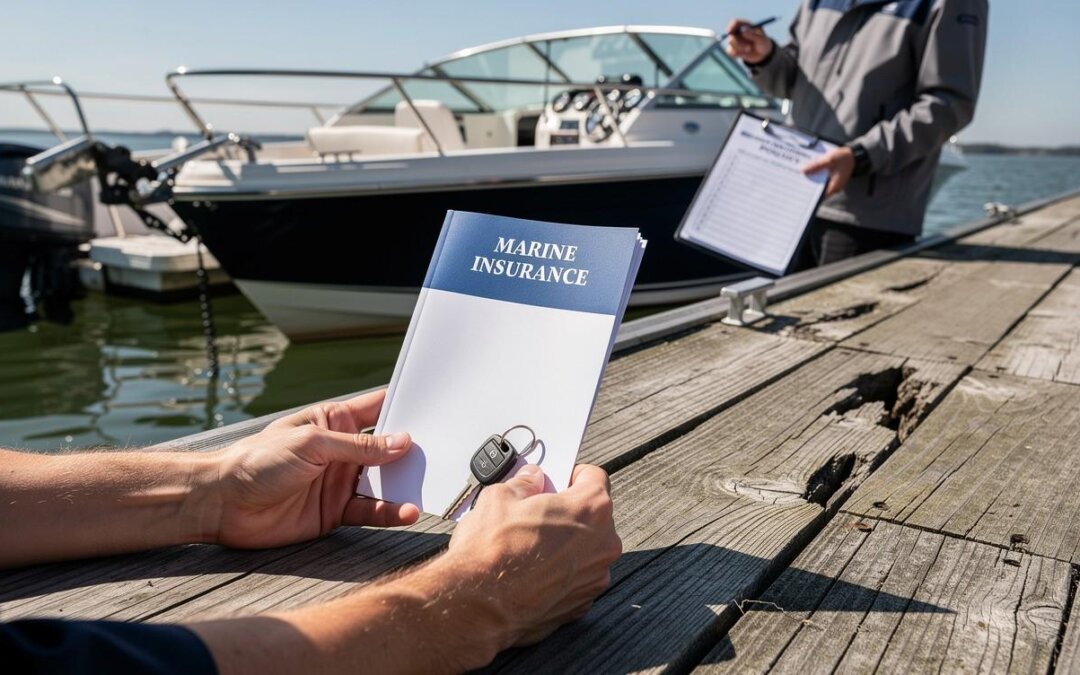
Boat owners often face tough decisions when selecting insurance coverage, and getting it wrong can leave you financially exposed on the water. We at Leslie Kay’s, Inc. have seen firsthand how the right pleasure craft coverage tips make the difference between a protected investment and a costly mistake.
This guide walks you through the coverage types you actually need, the mistakes to avoid, and proven ways to reduce your premiums without sacrificing protection.
The Three Coverage Types That Actually Protect Your Boat
Liability Coverage: Your Financial Shield
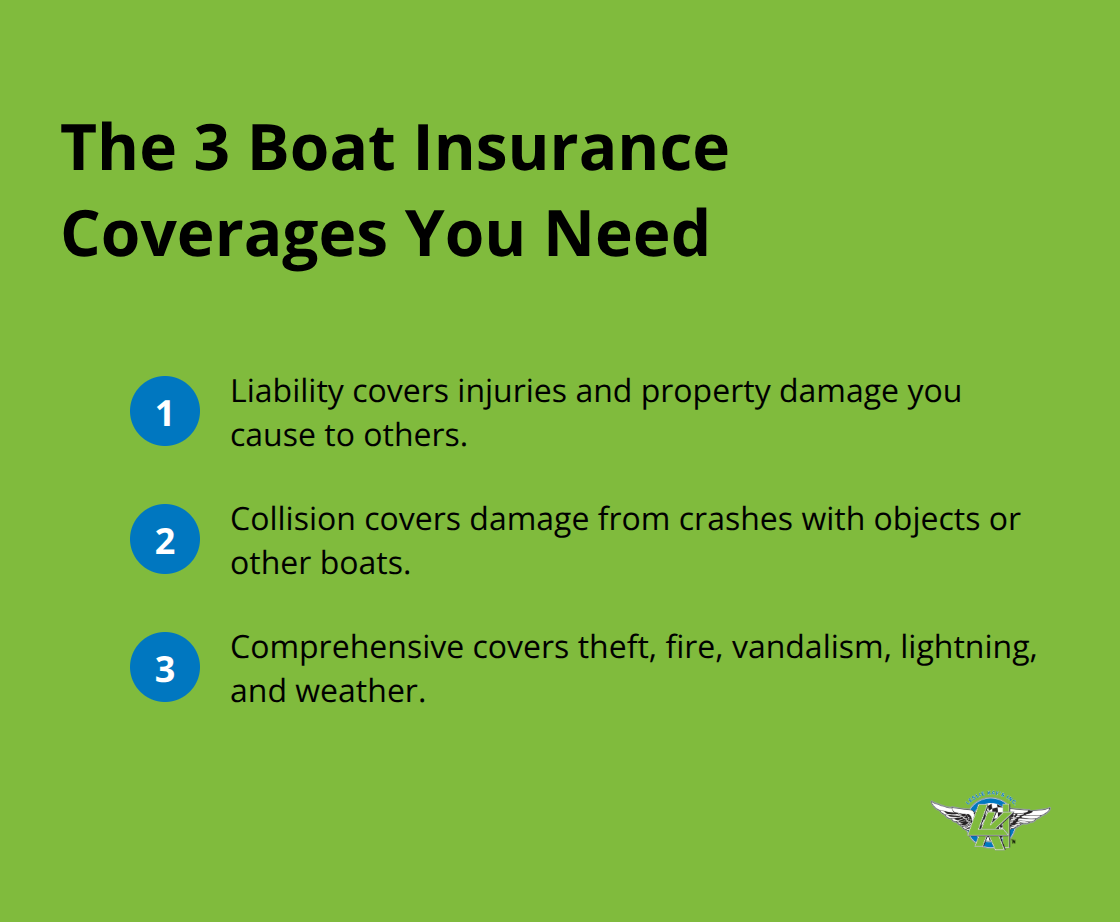
Liability coverage for bodily injury and property damage is non-negotiable, and here’s why: if someone gets injured on your boat or you damage another vessel, the medical bills and repair costs can destroy your finances. A single collision with another boat could leave you responsible for tens of thousands in damages, and without liability protection, you face personal liability for every dollar. Liability coverage protects your home, savings, and future earnings if someone sues you. Most marinas now require specific liability minimums before they’ll let you dock, so this isn’t optional if you want to keep your boat anywhere.
Collision and Comprehensive Coverage: Protecting Your Vessel
Collision and comprehensive coverage handles damage to your own vessel from different causes, and they work differently. Collision covers accidents like hitting a submerged log, running aground, or striking another boat, while comprehensive coverage covers theft, fire, vandalism, lightning, and weather damage. A real-world example shows a boat owner incurring $7,800 in repairs after hitting a submerged object, which illustrates how quickly costs escalate.
In Florida and coastal areas where hurricanes are common, named storms typically trigger higher deductibles on marine policies, sometimes doubling your out-of-pocket costs after a claim.
Medical Payments and Uninsured Boater Protection
Medical payments coverage covers medical expenses for you and your passengers if injuries occur on board, regardless of who’s at fault. Uninsured boater coverage protects you if an uninsured or underinsured operator hits you, preventing you from absorbing their liability. If you tow a boat or travel with a trailer, verify whether your auto insurance covers towing incidents, as coverage varies significantly by state.
The combination of these three coverage types-liability, collision and comprehensive, plus medical payments-creates a complete safety net. One bad day on the water shouldn’t become a financial disaster, which is why understanding what each coverage type does matters before you make your next decision about which protections to add or remove from your policy.
Common Mistakes Boat Owners Make When Choosing Coverage
Underestimating Your Boat’s True Replacement Value
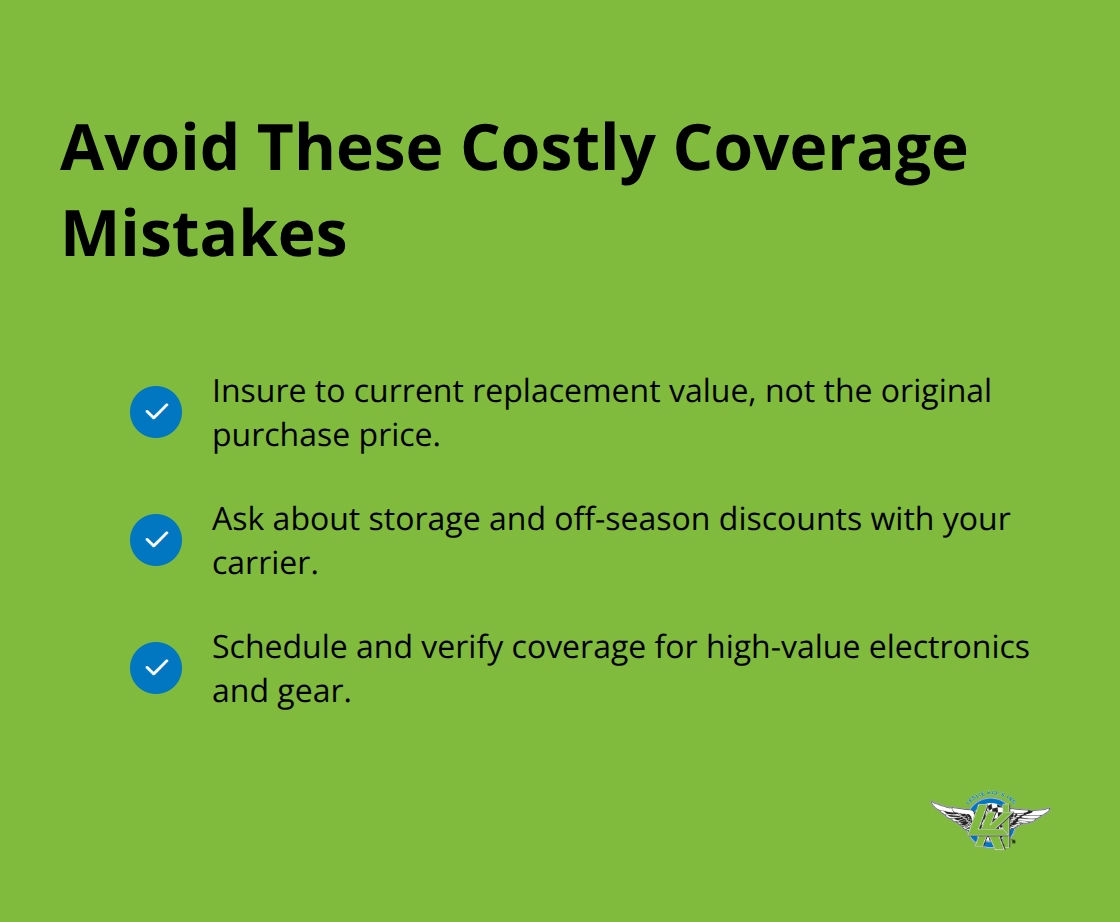
Boat owners routinely undervalue their vessels when shopping for insurance, and this mistake costs them thousands when claims happen. Many owners anchor their coverage to the hull price they paid years ago, ignoring that replacement costs have climbed significantly since purchase, especially for specialized boats like wake boats or cabin cruisers. If your boat suffered total loss from fire or sinking, you would need current replacement value to cover a new vessel, not what you paid in 2015. Owners regularly discover their stated hull value falls short of actual replacement costs, leaving them to absorb the gap personally. Get a current replacement quote from a dealer for your exact model and year, then add 10-15 percent for market fluctuations before you finalize coverage amounts with your agent.
Missing Discounts for Storage and Seasonal Use
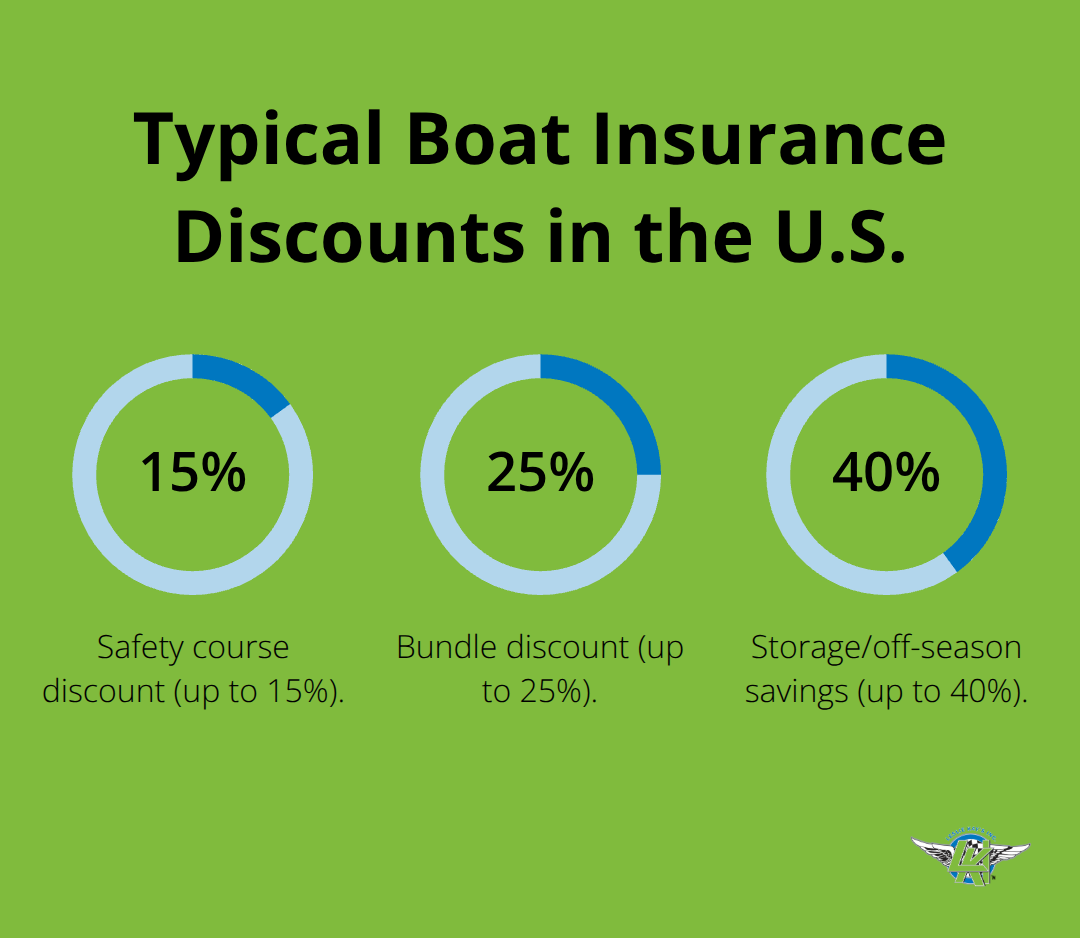
Seasonal boat owners make a critical error by overlooking storage and off-season discounts that can slash premiums by 20-40 percent depending on your carrier. If you store your boat on your property or at a marina during winter months, your risk profile changes dramatically compared to year-round active use, yet many owners maintain full-rate policies even when their boat sits idle for months. Ask your agent specifically about discounts for boats stored in secure locations, off-season rate reductions, or policies that reduce coverage during storage periods. Some carriers offer layup coverage that maintains protection while lowering premiums substantially when your boat isn’t in the water.
Overlooking Expensive Onboard Equipment Protection
Boat owners frequently ignore coverage for expensive onboard equipment like GPS systems, fish finders, dive gear, and high-end sound systems that represent thousands in value. These items fall outside standard hull coverage limits, and theft or damage leaves you personally responsible for replacement costs. Comprehensive coverage typically protects onboard equipment, but verify your specific policy limits and consider scheduled equipment endorsements for gear valued over $5,000. This targeted protection costs far less than replacing stolen electronics or damaged safety equipment out of pocket after an incident occurs. The mistakes you make now during the selection process directly shape how well your coverage performs when you actually need it-which is why the next section focuses on concrete strategies to reduce what you pay without sacrificing the protections that matter most.
How to Lower Your Boat Insurance Premiums
Complete a Boating Safety Course for Immediate Savings
A boating safety course directly reduces your insurance premiums, and the savings often pay for the course itself within a single year. Most carriers offer discounts ranging from 5-15% when you finish an accredited course through organizations like the United States Power Squadrons or USCG Auxiliary, and these discounts typically last three to five years before you need recertification. A boat owner paying $600 annually in premiums could save $30-90 per year just from course completion, which means the $150-300 course cost pays for itself quickly. Safety training addresses the leading causes of boating accidents-alcohol use, operator error, and inadequate lookout procedures-so you actually reduce your risk profile rather than just obtaining a discount code.
Bundle Policies with Auto and Home Insurance
Consolidating your boat insurance with auto and home policies through the same carrier generates substantial savings that many owners leave on the table. Insurance companies offer bundle discounts ranging from 10-25% across multiple policies, so combining pleasure craft coverage with your existing homeowners and auto insurance can reduce your total annual insurance costs significantly.
If you currently carry separate policies with different carriers, consolidating with one insurer often costs less than your current combined premiums while simplifying your coverage management and claims process. This approach streamlines your billing, reduces administrative hassle, and creates a single point of contact for all your insurance needs.
Maintain Your Boat with Regular Inspections
Regular boat maintenance and documented inspections form the third cost-reduction strategy, as carriers recognize that well-maintained vessels experience fewer mechanical failures, groundings, and component breakdowns that trigger claims. Schedule annual haul-outs for hull inspection, maintain your engine and electrical systems according to manufacturer specifications, and keep detailed maintenance records to show your insurer. Carriers frequently offer small premium reductions for boats with documented maintenance histories, and more importantly, proper maintenance prevents the expensive damage scenarios-like water intrusion from neglected through-hulls or fire from corroded wiring-that lead to five-figure claims. These three approaches compound when combined, potentially reducing your annual boat insurance costs by 25-40% while simultaneously improving your actual safety and vessel condition.
Final Thoughts
The right pleasure craft coverage tips protect your finances across three essential layers: liability protection shields you from third-party injury and property damage claims, collision and comprehensive coverage repairs or replaces your vessel, and medical payments coverage handles passenger injuries regardless of fault. These protections work together to prevent a single boating accident from destroying your home, savings, or future earnings. Without them, you risk personal liability for every dollar of damages that occur on the water.
Start your coverage selection by obtaining a current replacement value quote for your exact boat model rather than anchoring to outdated purchase prices from years ago. Verify that your policy covers expensive onboard equipment like GPS systems and fish finders through scheduled endorsements, ask about storage and seasonal discounts that reduce premiums when your boat sits idle, and complete a boating safety course to qualify for carrier discounts of 5-15% that last three to five years. Consolidating your boat insurance with auto and home policies generates bundle discounts of 10-25%, so shopping with carriers that offer multiple lines often costs less than maintaining separate policies with different companies.
An independent agent shops multiple carriers on your behalf and customizes policies to match your specific vessel and risk profile. Visit Leslie Kay’s, Inc. to get quotes from multiple carriers and find the coverage that protects your investment without overpaying for unnecessary protection.
The information provided in this blog is for general informational purposes only and does not constitute legal, financial, or insurance advice. Coverage options, terms, and availability may vary. Please consult with a licensed professional for advice specific to your situation.
Artificial intelligence may have been used to generate text and images in some blog articles.